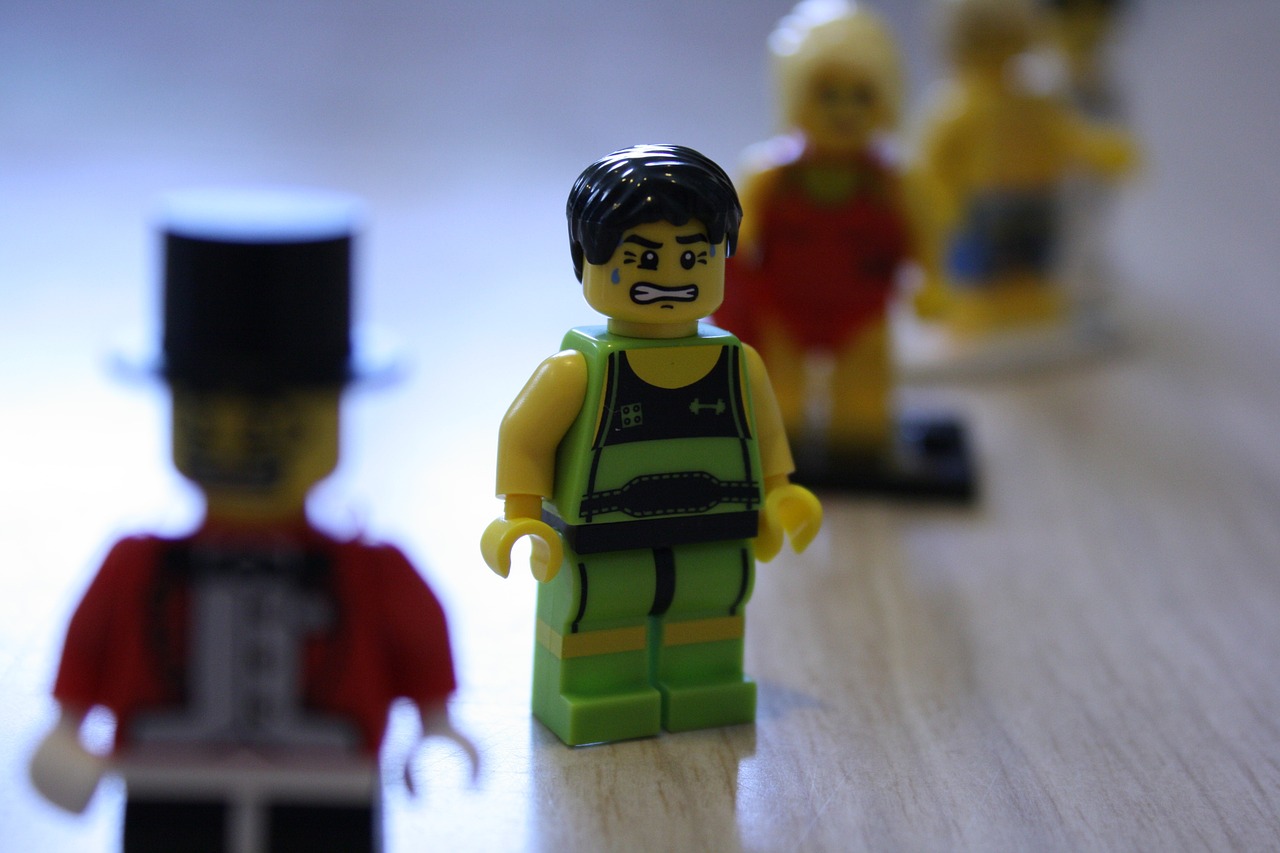
You know that moment when your toddler throws their teddy across the room because they wanted the blue cup, not the red one? Or when your little one bursts into tears because their tower of blocks came tumbling down? Big emotions, little bodies.
Emotional intelligence isn’t something kids are magically born with it’s something they learn, one meltdown at a time. And guess what? We, their parents, are their first teachers.
I remember reading You Are Your Child’s First Teacher, and it hit me kids don’t just need us to tell them how to handle feelings, they need us to show them the emotional intelligence with which they can deal with life. Through small, everyday habits, we can help them understand emotional intelligence, express themselves, and grow into kind, empathetic humans using parenting techniques.
So, let’s dive into 10 daily habits that make a difference.
1. Name Those Big Feelings
Kids feel everything but they don’t always know what they’re feeling. That’s where we come in.
📝 Try this:
✔️ Instead of “Stop crying, it’s nothing!”, say “I see you’re upset because your toy broke. That’s really frustrating, isn’t it?”
✔️ Instead of “You’re fine!”, say “I know that fall scared you. Do you want a hug?”
📖 Mom Take: I used to think saying “It’s okay” would help my son move on quickly. But once I started naming his emotional intelligence, he stopped crying faster because he felt understood.
2. Show, Don’t Just Tell
Little eyes are watching everything. How we react to stress teaches them how to handle their own.
📝 Try this:
✔️ Instead of snapping when you spill coffee, say “Oops! I’m frustrated, but I’ll take a deep breath and clean it up.”
✔️ Instead of saying “Calm down!”, sit with them and say “Let’s take a deep breath together.”
📖 Mom Take: One day, I was overwhelmed and sighed loudly. My son looked up and sighed too. They copy EVERYTHING. So now, I try to model emotional control.
3. Teach the Magic of “Pause”
Ever seen a kid lose it over one missing puzzle piece? Impulse control is tough! But pausing before reacting is a game-changer.
📝 Try this:
✔️ When they’re mad, say “Let’s pause and count to five before we react.”
✔️ Use a fun trick “Smell the flower, blow out the candle” (inhale deeply, exhale slowly).
📖 Mom Take: One time, I caught my son pausing on his own before reacting. Instead of throwing his toy, he took a breath. My heart exploded with pride!
4. Let Them Solve Their Own Problems
It’s so tempting to swoop in and fix everything, but kids need to struggle a little to grow.
📝 Try this:
✔️ Instead of fixing the puzzle for them, ask “What do you think will work?”
✔️ Instead of jumping in during sibling fights, guide with “How can we solve this together?”
📖 Mom Take: You Are Your Child’s First Teacher says kids build confidence by trying and failing. And wow, is it hard to watch them struggle! But when my son finally figured out his puzzle alone, his huge grin said it all.
5. Make Feelings a Dinner Table Topic
Normalize talking about emotions like it’s the weather no shame, no judgment.
📝 Try this:
✔️ Ask, “What made you happy today?”
✔️ Ask, “Did anything make you sad or mad?”
✔️ Share your own feelings too!
📖 Mom Take: One night, I casually said, “I felt sad today because I missed Grandma.” My son immediately hugged me. They listen more than we think.
6. Play “Emotion Charades”
Make emotions fun and familiar! Turn it into a game.
📝 Try this:
✔️ Make faces happy, sad, mad and let them guess the emotion.
✔️ Use dolls or stuffed animals to act out feelings.
📖 Mom Take: Once, my son made a “frustrated” face so exaggerated, I couldn’t stop laughing. But guess what? He nailed the concept of emotional intelligence.
7. Let Them Have Their Tantrums (Yes, Really!)
Feelings aren’t the enemy stuffing them down is.
📝 Try this:
✔️ Instead of “Stop crying!”, say “I know this is hard. I’m here.”
✔️ Create a cozy “calm down” space with pillows and books.
📖 Mom Take: You Are Your Child’s First Teacher reminds us that kids need to express emotional intelligence to process them. I’ve learned to let my son cry it out in a safe space and guess what? His meltdowns end faster.
8. Say “Thank You” for Kindness
Want to raise empathetic, kind kids? Show them their kindness matters.
📝 Try this:
✔️ When they share, say “That was so kind of you!”
✔️ When they help, say “Thank you for helping! That made my day easier.”
📖 Mom Take: One day, my son said “Thank you for making my snack, Mama.” I almost cried. Gratitude is contagious. Emotional Intelligence was playing its role.
9. Read Books About Feelings
Books are magic windows into emotions.
📝 Try this:
✔️ Read books like The Color Monster (feelings in colors!).
✔️ Use stories to ask, “How do you think the character felt?”
📖 Mom Take: The first time my son saw a sad character and said, “He looks lonely,” I knew our reading habit was working positively shaping his emotional intelligence.
10. Hug It Out A LOT
Physical connection = emotional security.
📝 Try this:
✔️ Offer hugs when they’re upset.
✔️ Snuggle during bedtime chats.
📖 Mom Take: Whenever my son feels overwhelmed, he climbs onto my lap. No words needed. Hugs heal.
Final Thoughts
Teaching emotional intelligence isn’t about big lessons it’s about small, daily habits. Every time we pause, listen, and validate our child’s feelings, we’re shaping them into someone who can handle life’s ups and downs with strength and kindness.
And the best part? We’re learning right alongside them. 💛
Have any of these habits worked for you? Let’s chat in the comments! 😊