
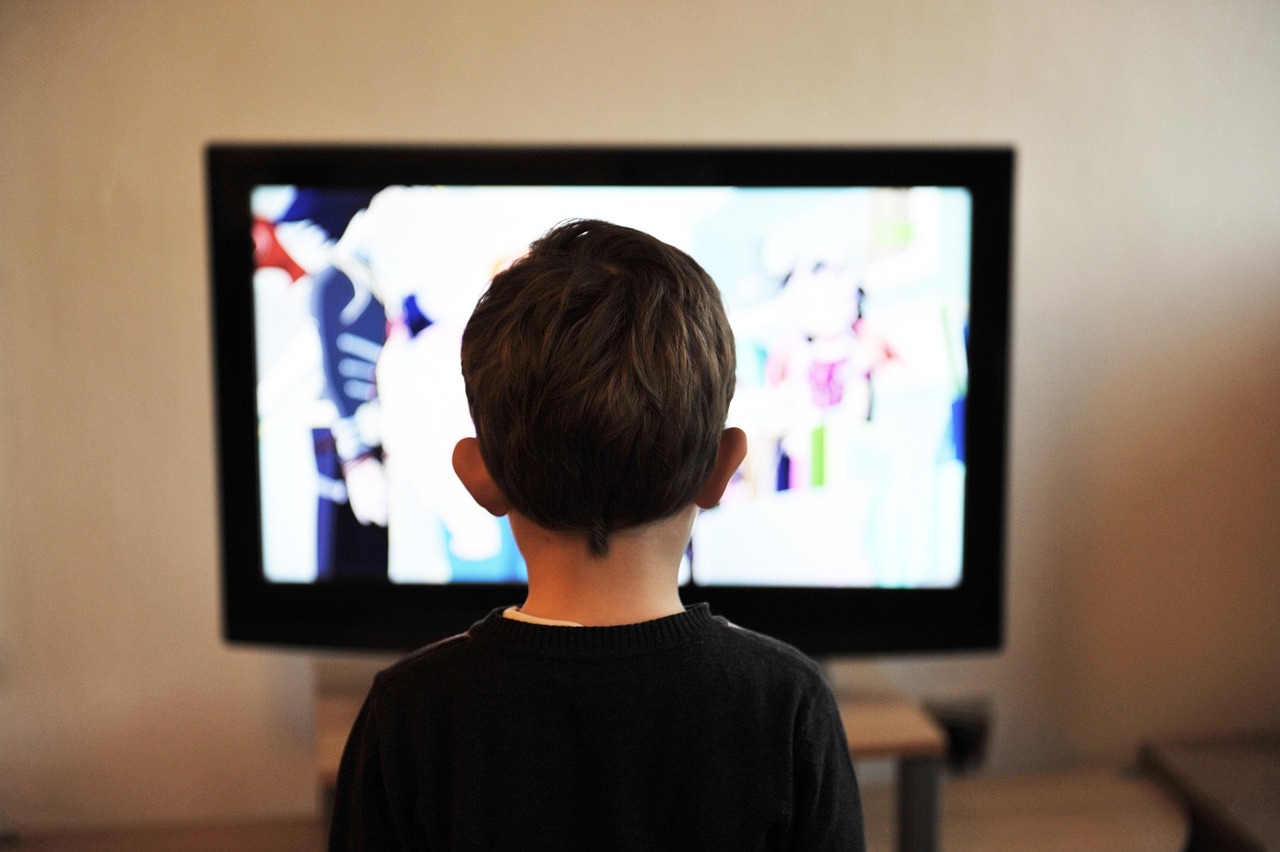
I’m going to be honest I was never a “no-screen” parent.
My son was a cranky baby from the beginning, and I handled him mostly alone. Some days were so overwhelming that if something — anything — helped him calm down for a few minutes, I took it.
So yes, I showed him Cocomelon even before he turned one.
It started as pure survival.
He enjoyed it.
I got time to eat, finish chores, sometimes just breathe.
At that time, it genuinely felt like a blessing.
Soon, he fell completely in love with the show — especially JJ.
By his birthday, there was no going back.
We had a full Cocomelon theme — JJ cake, decorations, props… the works.
We were a proud Cocomelon house.
I didn’t once think it could affect him negatively.
It looked colourful, musical, harmless.
Cute kids singing songs — what could be wrong?
But slowly, I started noticing changes.
Small Behaviours That Made Me Pause
Nothing huge happened overnight.
It was all very slow, very tiny but noticeable if you paid attention.
He suddenly needed constant stimulation.
Normal toys felt boring too fast.
He couldn’t sit still not while playing, not during meals.
If he wasn’t watching Cocomelon,
it felt like his brain was still running at that same speed.
Even his play became rushed one toy for two minutes, then another, then another.
No settling, no calmness.
At first, I thought it was just normal toddler energy.
But when it kept happening, I started watching Cocomelon myself properly to see what he was seeing.
That changed everything.
What I Observed When I Actually Watched

The show moves very fast.
Scenes keep changing, songs start suddenly, then switch again.
Colours are extremely bright.
The background music never rests.
Everything is constant sounds, movement, energy.
There is no pause.
Nothing slow.
No simple silence.
It’s like the brain keeps getting hit with one thing after another.
As adults, we don’t feel it much.
But for toddlers whose brains are still forming this is too much.
It trains them to expect:
- Fast movement
- Loud sounds
- Constant excitement
Real life is not like that.
Real life is slow.
So when they stop watching, real life suddenly feels boring.
This is how overstimulation begins.
And this explained exactly what I was seeing in my son.
Changes I Saw in His Behaviour
The biggest one was his attention span.
He couldn’t focus on one activity for long.
Blocks, cars, books everything lasted only a few minutes.
He also became more impatient.
If something didn’t go his way immediately, he reacted quickly frustration, whining, crying.
Not shouting or aggression
but an irritated, restless kind of discomfort.
Another thing
he would ask for Cocomelon constantly.
Even when he wasn’t watching,
he would sing loudly or demand a song.
Sometimes, even during meals, he needed something playing.
It was almost like his brain had forgotten how to just… be still.
That’s when I realised this wasn’t helping him anymore.
What I Did Next (Slowly, Not Forcefully)
I didn’t stop it suddenly.
Honestly, that would’ve created a war at home.
So I reduced it little by little.
Instead of removing Cocomelon completely,
I introduced slower alternatives like:
- Bluey
- Puffin Rock
- Daniel Tiger
These shows feel calmer, more natural.
There are pauses.
Characters talk normally.
Scenes are slower.
At the same time,
I encouraged very simple play:
- Water play
- watching birds
- playing with kid friendly colors
- Stickers
- Pretend kitchen
- Blocks
- Crayons
Nothing fancy — just real activities.
Over a few weeks,
I could see changes.
He became calmer.
He could sit longer.
He played more with toys.
He asked less for JJ.
It didn’t happen overnight,
but it happened.
So, Is Cocomelon Bad?
I don’t think it’s about “good” or “bad”.
Every home and every child is different.
But from my experience,
Cocomelon overstimulates toddlers.
It works at a pace that their brain gets addicted to,
and when that stimulation is gone,
they feel restless.
This is not about guilt.
I showed it too early, regularly, freely.
It helped me through tough days
when I didn’t have support.
But once I saw how it was affecting him,
I decided to cut it down
and offer gentler screen options.
That’s all.
Final Thoughts — Mom to Mom
There’s no perfect parent.
We’re all trying our best with what we know.
If your child enjoys Cocomelon,
it’s okay.
You’re not doing anything wrong.
Just observe
How do they behave afterward?
Can they play without screens?
Are they calm?
Are they present?
If you feel something is off,
try slowing it down
and see if it helps.
Motherhood is just that
learning, adjusting, and doing what feels right for your child. 💛
Earlier I also wrote about Masha and The Bear’s negative effects on toddlers.
Experts also remind us that toddlers learn best from real-life interaction.
According to the WHO screen-time guidelines, young children benefit from limited, mindful screen time and more hands-on play.
2 thoughts on “How Cocomelon Overstimulates Toddlers — My Experience”