10 Daily Habits for Emotional Intelligence in kids using Mindful Parenting

10 Daily Habits for Emotional Intelligence in kids using Mindful Parenting

You know that moment when your toddler throws their teddy across the room because they wanted the blue cup, not the red one? Or when your little one bursts into tears because their tower of blocks came tumbling down? Big emotions, little bodies.

Emotional intelligence isn’t something kids are magically born with it’s something they learn, one meltdown at a time. And guess what? We, their parents, are their first teachers.

I remember reading You Are Your Child’s First Teacher, and it hit me kids don’t just need us to tell them how to handle feelings, they need us to show them the emotional intelligence with which they can deal with life. Through small, everyday habits, we can help them understand emotional intelligence, express themselves, and grow into kind, empathetic humans using parenting techniques.

So, let’s dive into 10 daily habits that make a difference.

1. Name Those Big Feelings

Kids feel everything but they don’t always know what they’re feeling. That’s where we come in.

📝 Try this:
✔️ Instead of “Stop crying, it’s nothing!”, say “I see you’re upset because your toy broke. That’s really frustrating, isn’t it?”
✔️ Instead of “You’re fine!”, say “I know that fall scared you. Do you want a hug?”

📖 Mom Take: I used to think saying “It’s okay” would help my son move on quickly. But once I started naming his emotional intelligence, he stopped crying faster because he felt understood.


2. Show, Don’t Just Tell

Little eyes are watching everything. How we react to stress teaches them how to handle their own.

📝 Try this:
✔️ Instead of snapping when you spill coffee, say “Oops! I’m frustrated, but I’ll take a deep breath and clean it up.”
✔️ Instead of saying “Calm down!”, sit with them and say “Let’s take a deep breath together.”

📖 Mom Take: One day, I was overwhelmed and sighed loudly. My son looked up and sighed too. They copy EVERYTHING. So now, I try to model emotional control.


3. Teach the Magic of “Pause”

Ever seen a kid lose it over one missing puzzle piece? Impulse control is tough! But pausing before reacting is a game-changer.

📝 Try this:
✔️ When they’re mad, say “Let’s pause and count to five before we react.”
✔️ Use a fun trick “Smell the flower, blow out the candle” (inhale deeply, exhale slowly).

📖 Mom Take: One time, I caught my son pausing on his own before reacting. Instead of throwing his toy, he took a breath. My heart exploded with pride!


4. Let Them Solve Their Own Problems

It’s so tempting to swoop in and fix everything, but kids need to struggle a little to grow.

📝 Try this:
✔️ Instead of fixing the puzzle for them, ask “What do you think will work?”
✔️ Instead of jumping in during sibling fights, guide with “How can we solve this together?”

📖 Mom Take: You Are Your Child’s First Teacher says kids build confidence by trying and failing. And wow, is it hard to watch them struggle! But when my son finally figured out his puzzle alone, his huge grin said it all.


5. Make Feelings a Dinner Table Topic

Normalize talking about emotions like it’s the weather no shame, no judgment.

📝 Try this:
✔️ Ask, “What made you happy today?”
✔️ Ask, “Did anything make you sad or mad?”
✔️ Share your own feelings too!

📖 Mom Take: One night, I casually said, “I felt sad today because I missed Grandma.” My son immediately hugged me. They listen more than we think.


6. Play “Emotion Charades”

Make emotions fun and familiar! Turn it into a game.

📝 Try this:
✔️ Make faces happy, sad, mad and let them guess the emotion.
✔️ Use dolls or stuffed animals to act out feelings.

📖 Mom Take: Once, my son made a “frustrated” face so exaggerated, I couldn’t stop laughing. But guess what? He nailed the concept of emotional intelligence.


7. Let Them Have Their Tantrums (Yes, Really!)

Feelings aren’t the enemy stuffing them down is.

📝 Try this:
✔️ Instead of “Stop crying!”, say “I know this is hard. I’m here.”
✔️ Create a cozy “calm down” space with pillows and books.

📖 Mom Take: You Are Your Child’s First Teacher reminds us that kids need to express emotional intelligence to process them. I’ve learned to let my son cry it out in a safe space and guess what? His meltdowns end faster.


8. Say “Thank You” for Kindness

Want to raise empathetic, kind kids? Show them their kindness matters.

📝 Try this:
✔️ When they share, say “That was so kind of you!”
✔️ When they help, say “Thank you for helping! That made my day easier.”

📖 Mom Take: One day, my son said “Thank you for making my snack, Mama.” I almost cried. Gratitude is contagious. Emotional Intelligence was playing its role.


9. Read Books About Feelings

Books are magic windows into emotions.

📝 Try this:
✔️ Read books like The Color Monster (feelings in colors!).
✔️ Use stories to ask, “How do you think the character felt?”

📖 Mom Take: The first time my son saw a sad character and said, “He looks lonely,” I knew our reading habit was working positively shaping his emotional intelligence.


10. Hug It Out A LOT

Physical connection = emotional security.

📝 Try this:
✔️ Offer hugs when they’re upset.
✔️ Snuggle during bedtime chats.

📖 Mom Take: Whenever my son feels overwhelmed, he climbs onto my lap. No words needed. Hugs heal.


Final Thoughts

Teaching emotional intelligence isn’t about big lessons it’s about small, daily habits. Every time we pause, listen, and validate our child’s feelings, we’re shaping them into someone who can handle life’s ups and downs with strength and kindness.

And the best part? We’re learning right alongside them. 💛

Have any of these habits worked for you? Let’s chat in the comments! 😊


(P.S. Want to dive deeper? Check out You Are Your Child’s First Teacher – it changed the way I parent to inculcate emotional intelligence in my child!)

Proven Techniques on Mindful Parenting: How to Raise Emotionally Intelligent Children

mindful parenting, emotional intelligence in children, parenting techniques

Parenting is an emotional rollercoaster filled with moments of pure joy, unexpected challenges, and everything in between. One of the most beautiful yet demanding aspects of raising kids is helping them navigate their emotions. As parents, we want our little ones to grow into kind, confident, and emotionally aware individuals, but let’s be honest it’s not always easy! This is where mindful parenting comes in. By being present and emotionally attuned, we can help shape our children’s emotional intelligence in a way that benefits them for life.

What is Mindful Parenting?

Mindful parenting is all about slowing down, tuning in, and truly being there for our children. It’s not about being a perfect parent (because let’s face it, that doesn’t exist!), but about being intentional in how we respond to our kids.

Some key aspects of mindful parenting include:

  • Active Listening: Really hearing what your child is saying not just the words, but the emotions behind them.
  • Non-Judgmental Awareness: Accepting your child’s emotions without trying to “fix” or dismiss them.
  • Emotional Regulation: Managing your own emotions so you can model healthy ways of dealing with stress.
  • Compassionate Communication: Speaking to your child with kindness, even in tough moments.

Why Emotional Intelligence Matters

Emotional intelligence (EQ) is a child’s ability to understand and manage their emotions while also recognizing and responding to the emotions of others. Research shows that kids with high EQ tend to:

  • Handle stress better (goodbye, meltdowns at least some of them!)
  • Build stronger relationships with family and friends
  • Develop problem-solving skills that help them navigate challenges
  • Communicate more effectively and express their needs in a healthy way

A Mother’s Journey with Mindful Parenting

I’ll be the first to admit mindful parenting takes practice! There have been so many times when my son has had a meltdown in the middle of the grocery store, and my immediate reaction was to feel frustrated or embarrassed. But instead of snapping, I’ve learned to take a deep breath and remind myself: He’s not giving me a hard time, he’s having a hard time.

One particular moment stands out. My son was struggling with a new puzzle, and in his frustration, he threw the pieces across the room. My instinct was to say, “That’s not okay!” Instead, I knelt beside him, took his hand, and said, “I see you’re frustrated. Let’s take a deep breath together and try again.” The shift was almost magical his little shoulders relaxed, and he picked up the pieces to give it another shot. That’s when I realized how powerful mindful parenting can be.

How to Cultivate Emotional Intelligence in Kids

1. Acknowledge and Validate Their Feelings

Instead of saying, “Don’t cry, it’s no big deal,” try, “I see that you’re upset. Want to talk about it?” This simple shift helps kids feel heard and understood.

2. Teach Them to Name Their Emotions

Sometimes, kids act out because they don’t have the words to express how they feel. Helping them label emotions happy, sad, frustrated, excited gives them the tools to communicate instead of throwing tantrums.

3. Lead by Example

Kids are little mirrors they reflect what they see. If we want them to handle emotions in a healthy way, we have to show them how. Instead of yelling when I’m frustrated, I’ll say, “I’m feeling overwhelmed right now. I’m going to take a few deep breaths to calm down.” Trust me, they notice!

4. Encourage Problem-Solving

Rather than jumping in to fix everything, I try to ask, “What do you think we should do?” This helps my child develop confidence and resilience.

5. Create a Safe Space for Open Conversations

I love ending the day with a simple question: “What was the best part of your day?” and “Did anything make you feel sad or frustrated?” This habit builds trust and encourages kids to talk about their feelings.

6. Teach Mindful Breathing

When my son gets upset, we do a simple breathing exercise together: Breathe in like you’re smelling a flower, and breathe out like you’re blowing out a candle. It’s a small trick, but it works wonders in calming big emotions!

7. Practice Gratitude Together

We’ve started a little tradition of saying one thing we’re grateful for each night before bed. It’s a small habit, but it helps shift focus from problems to positivity.

Bringing Mindfulness into Everyday Parenting

Raising Emotionally Intelligent Children Through Mindful Parenting using Proven Parenting Techniques

Mindfulness doesn’t mean setting aside hours for meditation it’s about small, meaningful moments. Whether it’s making eye contact when your child is talking, putting your phone away during playtime, or simply pausing to appreciate a hug, these little things make a huge impact.

Some of my favorite mindful parenting moments happen in the simplest ways laughing together over a silly joke, holding hands during a walk, or just sitting quietly and watching the clouds. It’s in these moments that I realize parenting isn’t about having all the answers; it’s about showing up with love, patience, and a willingness to learn alongside my child.

Final Thoughts

Mindful parenting isn’t about perfection it’s about progress. It’s about being present, listening with your heart, and guiding your child with love. And guess what? Even on the hard days (because we all have them!), every effort you make is shaping your child into a kind, emotionally intelligent human being.

So, to all the moms and dads out there navigating this beautiful, messy, unpredictable journey you’re doing an amazing job. Take a deep breath, hug your little one, and remember: your presence is the greatest gift you can give.

What are some mindful parenting techniques that work for you? Let’s share and support each other on this journey! 💛

A Must-Read for Mindful Parents

One of the books that truly transformed my perspective on parenting is You Are Your Child’s First Teacher by Rahima Baldwin Dancy. This book beautifully explains how the early years of a child’s life shape their development and how parents can nurture their learning through love, connection, and play. It highlights the importance of being present, engaging in creative activities, and using mindful techniques to support a child’s emotional and intellectual growth.

If you’re looking for guidance on creating a nurturing environment for your little one, I highly recommend checking it out!

Mindful parenting starts from day one even newborns communicate their needs through cues rather than words. If you’re curious about recognizing your baby’s early hunger cues, check out my guide on Understanding Hunger Cues in Newborns.

Top 15 Must-Have Baby Gear items: Essential for New Parents

Top 15 essential baby gear list.

Bringing a baby into the world is a joyous experience, but it also comes with a long list of essentials baby gear items that we need to keep ready to ensure your little one is safe, comfortable, and well cared for. With so many baby products available, it’s easy to feel overwhelmed. To simplify things, we’ve compiled a list of must-have baby gear that will make your parenting journey smoother and more enjoyable.

1. Baby Stroller: Comfort and Convenience

A high-quality stroller is one of the best investments of baby gear for new parents. Whether you’re running errands, going for a walk, or traveling, a stroller keeps your baby comfortable while giving you the freedom to move. Look for features like a sturdy frame, reclining seat, smooth suspension, and a secure safety harness.

Click on these links for some of the best strollers:

  1. R for Rabbit Lollipop Lite Baby Stroller – https://amzn.to/4iaO3DJ
  2. Mee Mee Little Explorer Baby Stroller/Pram – https://amzn.to/4hL5IRc

2. Infant Car Seat: A Non-Negotiable Safety Essential

A properly installed infant car seat is a must-have for car travel. Safety-certified car seats provide the necessary support for your baby’s head and neck while keeping them secure during journeys. Convertible car seats can be a great long-term investment of a good baby gear as they grow with your child.

3. Baby Carrier: Keep Your Hands Free

For parents who love to keep their baby close while multitasking, a baby carrier is that baby gear which is a lifesaver. Options like wraps, slings, and structured carriers provide ergonomic support for both baby and parent, making daily activities easier.

4. Crib or Bassinet: A Safe Sleep Space

A comfortable and safe sleep environment is crucial for newborns. A crib or bassinet with a firm mattress and fitted sheet ensures restful sleep while reducing the risk of sudden infant death syndrome (SIDS). Choose a baby gear that meets safety standards and avoid using pillows or stuffed animals.

5. Diaper Bag: Organized On-the-Go Essentials

A well-designed diaper bag helps keep baby essentials organized. Look for one with multiple compartments, insulated bottle pockets, and comfortable straps for easy carrying. Having diapers, wipes, extra clothes, and bottles at your fingertips makes outings stress-free.

6. Baby Monitor: Peace of Mind for Parents

A baby monitor allows you to keep an eye (and ear) on your little one while they sleep. Video monitors, movement sensors, and Wi-Fi-enabled options provide additional security and convenience, ensuring you can monitor your baby from anywhere in the house.

7. High Chair: Mealtime Made Easy

As your baby transitions to solid foods, a high chair becomes an essential item. A sturdy, easy-to-clean high chair with adjustable settings ensures safe and mess-free feeding sessions. Some high chairs even convert into toddler chairs, making them a great long-term purchase.

8. Breast Pump: A Must for Nursing Moms

For breastfeeding mothers, a reliable breast pump helps express and store milk for later use. Electric and manual pumps are available to suit different preferences, making it easier to maintain a feeding schedule.

9. Baby Bathtub: Safe and Enjoyable Bath Time

A specially designed baby bathtub provides a safe and comfortable space for your baby’s bath time. Look for a non-slip base, ergonomic design, and temperature indicator to ensure a soothing and safe experience that your baby will have a safe baby gear experience.

10. Swaddle Blankets: Comfort for Better Sleep

Swaddling helps newborns feel secure, mimicking the coziness of the womb. Soft, breathable swaddle blankets or sleep sacks prevent sudden movements that may wake the baby, promoting better sleep. Also, it is very important to understand the new born baby cues.

11. Bottle Sterilizer: Hygiene for Feeding Essentials

A bottle sterilizer eliminates germs and bacteria, keeping bottles, pacifiers, and teething toys hygienic. Steam and UV sterilizers are popular options for busy parents who want an easy and effective cleaning method.

12. Baby Swing or Bouncer: A Soothing Companion

A baby swing or bouncer can be a lifesaver when you need a few moments to relax. These provide gentle motions that mimic rocking, helping to soothe fussy babies and keep them entertained.

13. Changing Station: Convenient and Mess-Free Diaper Changes

A dedicated changing table or portable changing pad makes diaper changes easier. Look for a design with built-in storage for diapers, wipes, and creams to keep everything within reach.

14. Humidifier: Healthy Air for Baby’s Room

A humidifier helps maintain the right moisture level in your baby’s nursery, preventing dry skin and congestion. This is especially helpful in dry climates or during winter months when indoor air can become too dry.

15. Play Mat and Interactive Toys: Encouraging Development

A soft, cushioned play mat with engaging toys promotes sensory and motor skill development. Bright colors, textures, and interactive features keep babies entertained while encouraging exploration.

Final Thoughts

Choosing the right baby gear simplifies parenting and enhances your baby’s comfort and safety. While there are countless products on the market, focusing on these essentials will help you make informed decisions. Invest in high-quality items that suit your lifestyle, and enjoy the wonderful journey of parenthood!

Do you have a favorite baby gear item that made parenting easier? Share your experiences in the comments below!

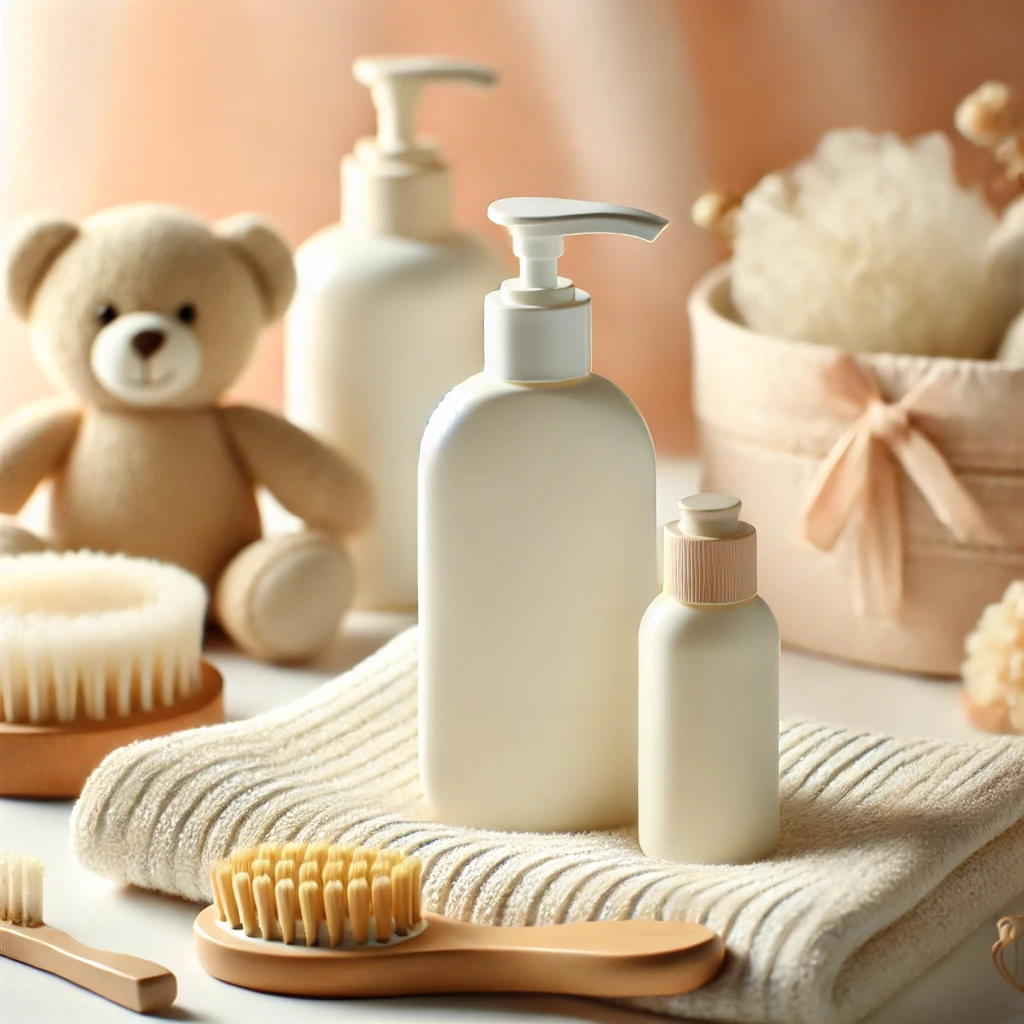
Top 3 Best Baby Lotions: A Guide to Keeping Your Baby’s Skin Soft and Healthy

top 3 best baby lotions for baby's delicate skin.

A baby’s skin is delicate, sensitive, and requires special care to keep it soft, smooth, and free from irritation. Choosing the best baby lotion is essential to ensure proper hydration and protection against dryness, rashes, and environmental irritants. With so many options available on the market, it can be overwhelming to pick the right one for your little one.

A baby’s skin is delicate, sensitive, and requires special care to keep it soft, smooth, and free from irritation. Choosing the best baby lotion is essential to ensure proper hydration and protection against dryness, rashes, and environmental irritants. With so many options available on the market, it can be overwhelming to pick the right one for your little one.

Why should you choose the best baby lotion?

Many parents wonder whether their baby actually needs lotion. While newborns have a natural protective layer, their skin can become dry, especially in colder climates, after baths, or due to exposure to harsh environmental factors. Using a baby lotion helps in:

  • Hydrating the skin to prevent dryness and flaking.
  • Protecting against irritation from diaper friction, clothing, and weather changes.
  • Soothing conditions like eczema and cradle cap.
  • Keeping the skin soft and smooth throughout the day.

What to look for while choosing the best baby lotion?

Before purchasing a baby lotion, consider the following factors:

  1. Hypoallergenic Formula: Look for lotions free from parabens, sulfates, dyes, and fragrances to prevent allergies and skin irritations.
  2. Natural Ingredients: Choose lotions with ingredients like shea butter, coconut oil, aloe vera, and chamomile for gentle hydration.
  3. Pediatrician and Dermatologist Approved: Opt for brands that are tested and recommended by experts.
  4. Non-Greasy Texture: A lightweight, fast-absorbing lotion is best for easy application and quick moisture absorption.
  5. Fragrance-Free or Mild Scent: Fragrances can sometimes irritate sensitive baby skin, so unscented or naturally scented options are best.

Top 3 Best Baby Lotions

1. Derma Dew Baby Cream

Why it’s great:

  • Contains aloe vera and glycerin for deep hydration.
  • Dermatologist-tested and safe for sensitive skin.
  • Helps in treating dryness, rashes, and irritation.
  • Lightweight, non-greasy formula suitable for daily use.

Derma Dew Baby Cream is a great option for parents looking for an extra moisturizing formula that provides long-lasting hydration while being gentle on a baby’s skin.

2. Cetaphil Baby Daily Lotion with Organic Calendula

Why it’s great:

  • Made with organic calendula, which has natural soothing and anti-inflammatory properties.
  • Dermatologist-tested and suitable for even the most sensitive skin.
  • Lightweight and gentle for daily use.
  • Hypoallergenic and free from mineral oil.

Cetaphil’s baby lotion is perfect for parents looking for a gentle, plant-based formula that provides deep nourishment.

3. Aveeno Baby Daily Moisture Lotion

Why it’s great:

  • Contains natural oat extract, which is known for its soothing and hydrating properties.
  • Non-greasy and absorbs quickly.
  • Free from parabens, dyes, and harsh chemicals.
  • Pediatrician-recommended for babies with sensitive skin.

Aveeno’s baby lotion is a favorite among parents due to its ability to keep a baby’s skin hydrated without irritation. It is especially beneficial for babies with dry or eczema-prone skin.

How to Apply Baby Lotion Correctly

Applying baby lotion is simple, but doing it the right way ensures maximum benefits:

  1. After Bathing: The best time to apply baby lotion is right after a bath when the skin is still damp. This locks in moisture and keeps the skin hydrated.
  2. Use Gentle Strokes: Gently massage the lotion into the baby’s skin using soft, circular motions.
  3. Avoid Overuse: A little lotion goes a long way. Using too much can make the skin feel greasy.
  4. Focus on Dry Areas: Pay special attention to areas prone to dryness, like elbows, knees, and cheeks.
  5. Be Consistent: Regular use of lotion helps maintain soft, healthy skin.

Homemade Baby Lotion Recipe

If you prefer a DIY approach, you can make a natural and best baby lotion at home using simple ingredients.

Ingredients:

  • 1/2 cup coconut oil
  • 1/4 cup shea butter
  • 1 tbsp almond oil
  • 1 tbsp aloe vera gel
  • A few drops of chamomile or lavender essential oil (optional)

Instructions:

  1. Melt the coconut oil and shea butter in a double boiler.
  2. Remove from heat and add almond oil and aloe vera gel.
  3. Let it cool slightly, then whisk until creamy.
  4. Store in a clean jar and apply as needed.

1. Can I use regular lotion on my baby?

No, adult lotions contain stronger ingredients and fragrances that may irritate a baby’s sensitive skin. Always choose baby-specific lotions.

2. How often should I apply lotion to my baby?

It depends on your baby’s skin type. If your baby has dry skin, applying lotion once or twice daily is recommended.

3. Is lotion necessary for newborns?

Newborns generally do not need lotion unless their skin appears dry or flaky. However, in colder climates, a light, fragrance-free lotion may help prevent dryness.

4. How do I know what I’m using is the best baby lotion for my baby’s skin?

Always try and test a little product on the first day and gradually increase the quantity of the product based on whether it suits the baby’s skin or not. This way you know whether the product is the best baby lotion for your little one or not.

Choosing the best baby lotion is crucial for maintaining your baby’s delicate skin. Whether you opt for a store-bought brand like Aveeno, Cetaphil, or Mustela, or prefer a homemade lotion, always ensure it’s gentle, hydrating, and free from harsh chemicals.

By keeping your baby’s skin moisturized, you’re not only preventing dryness but also promoting overall skin health. With so many safe and effective options available, you can find the best baby lotion to keep your little one’s skin soft, smooth, and protected every day.

Derma Dew Baby Cream worked like magic for my newborn baby.

Derma Dew Cream for your new born.

As a new mom, one of my biggest concerns was finding the right skincare for my baby. I wanted something gentle, hydrating, and completely safe for delicate skin. After a lot of research (and a few trials that didn’t quite work out), I finally found our go-to moisturizer—Derma Dew Baby Cream!

Our Rollercoaster Journey to Derma Dew

My baby’s arrival into the world was anything but smooth. Born during the COVID pandemic, we were hit with one challenge after another. We all had COVID, and when my little one was born, we weren’t even allowed to take him home immediately. He had to stay in intensive care for 14 days.

Those two weeks were pure agony I had no idea if he was being bathed, moisturized, or even receiving the extra care a newborn’s delicate skin needs. I would cry at night, staring at the empty crib, wondering if my baby was comfortable, if he was warm enough, if someone was looking after his soft, untouched skin the way a mother would. Every day, I prayed for him to come home, but when he finally did, a whole new challenge began.

When we finally got to bring him home, I wanted to make up for lost time. Like every traditional mom, I started oil massages, hoping to strengthen his skin and bones. I was so excited to begin this ritual, imagining his skin turning soft and supple. But instead of glowing, healthy skin, my baby developed angry red rashes! My heart sank.

We switched from one oil to another coconut, almond, even the so-called hypoallergenic ones but nothing seemed to work. Every morning, I would check his skin, praying that the rashes had disappeared, but they only got worse. I felt helpless. Was I doing something wrong? Was my baby allergic to everything?

After endless sleepless nights and countless Google searches, we finally consulted our pediatrician, who recommended DermaDew Baby Soap and Derma Dew Cream. I was skeptical after all, we had not heard about Derma dew. And we had already tried so many products. But the first time I applied Derma Dew, I noticed an immediate difference. The thick yet non-greasy cream absorbed beautifully, and within a few days, my baby’s skin started to heal. No more rashes, no more irritation just soft, happy skin!

What Makes It a Winner

  • Deep Hydration – Keeps my baby’s skin baby-soft and moisturized all day.
  • Gentle on Sensitive Skin – No rashes, no irritation just happy, healthy skin.
  • Non-Greasy Formula – Absorbs quickly with zero stickiness.
  • Mild, Pleasant Fragrance – Smells fresh but not overpowering.
  • Works Wonders on Dry Patches – Perfect for rough areas, especially in winter.
  • Enriched with Vitamin E & Turmeric Oil – Nourishes and protects, giving skin a natural, healthy glow.
  • Fortified with Emollients – Provides long-lasting moisture, keeping dryness at bay.

How I Use It

  • Right after bath time, I apply a small amount all over my baby’s body to lock in moisture.
  • Before bedtime, I gently massage it onto his hands, legs, and cheeks for extra hydration.
  • For stubborn dry patches, I dab a little on his elbows and knees to keep them soft.

Final Thoughts

Looking back, I can’t believe how much we struggled in those early days. From battling COVID to dealing with sensitive baby skin, it was an emotional rollercoaster. But now, with Derma Dew Baby Cream in our routine, my worries have melted away. It’s been our trusted skincare essential since those challenging newborn days, and till date, I haven’t faced a single issue with my baby’s skin touchwood!

If you’re a mom looking for the ultimate moisturizer for your little one, this is THE ONE to try! It may be one of the many reasons of understanding you newborn babies cues as well.

Have you used Derma Dew Baby Cream? Share your experience in the comments!

Understanding Newborn Hunger Cues: A Guide for New Parents

Hunger cues of newborn baby

Bringing a newborn home is a joyous experience, but it also comes with challenges, especially when it comes to understanding their needs. Since newborns can’t communicate with words, they rely on subtle signals to let us know when they’re hungry. Recognizing these hunger cues early can help prevent fussiness and ensure your baby gets the nourishment they need without reaching the stage of crying, which is a late hunger sign.

Be Prepared for the Initial Days

As a new mother, you might not be in the best physical state to take care of the baby right after delivery. It’s crucial to have a reliable person, such as your partner, parent, or a trusted caregiver, who can help manage the baby’s needs. Additionally, a mother’s milk may take some time to come in, so being prepared with formula, a small bowl, and a non-sharp spoon for feeding is essential. In India, it is common to feed newborns using a spoon and bowl. Having a sterilizer, a pacifier, and a feeder on hand will also make the transition smoother while ensuring proper hygiene for your little one.

If the baby is very cranky on the day of birth, swaddle them with a soft muslin cloth or an old granny’s saree. The familiar texture and warmth can be incredibly soothing for the baby, helping them feel secure and comforted.

Why Understanding Hunger Cues Matters

Many parents assume that crying is the first sign of hunger, but by the time a baby is crying, they are already quite hungry and may be harder to soothe. Observing early hunger cues allows for a smoother feeding process and keeps your baby more content. However, as a new mom, I often misread my baby’s cries sometimes I thought he was hungry, but he actually needed a diaper change or was experiencing stomach discomfort. Over time, I learned to distinguish these cues, and things became easier.

Common Newborn Hunger Cues

Instead of breaking hunger cues into rigid categories, here’s a more natural approach to recognizing them:

  • Subtle Signals: Your baby might start smacking their lips, sticking out their tongue, or making sucking motions.
  • Seeking Comfort: They may turn their head side to side (rooting reflex) or try to bring their hands to their mouth.
  • Increased Activity: As hunger grows, babies tend to become more restless, moving their arms and legs more actively.
  • Fussing or Mild Whimpering: A baby might start to get fussy before escalating into full crying.
  • Strong Signs: If feeding is delayed, the baby may begin crying, arching their back, or becoming inconsolable. At this stage, soothing them before feeding can help them latch better.

How Often Should You Feed a Newborn?

Newborns typically need to eat every 2-3 hours (8-12 times in 24 hours). Some babies may cluster feed, which means feeding more frequently during certain periods. Watching hunger cues rather than sticking to a strict schedule helps ensure your baby is getting enough nourishment.

Baby Feeding & Diaper Tracking Chart

TimeMilk (ml) / Breastfeeding DurationPee (✔/✘)Potty (✔/✘)
12 AM
2 AM
4 AM
6 AM
8 AM
10 AM
12 PM
2 PM
4 PM
6 PM
8 PM
10 PM

Note: Usually, a newborn is given 15ml of formula every 2 hours on the first day. Gradually, the amount increases as per the baby’s needs. Breastfeeding duration can vary, and it’s important to track it to ensure proper feeding.

Responding to Hunger Cues Effectively

  • Feed Early – Try to respond to early cues to avoid distress.
  • Create a Comfortable Feeding Environment – A calm setting helps babies feed better.
  • Look for Signs of Fullness – Babies show signs like turning away, slowing down sucking, or relaxing their hands when they are full.
  • Be Patient with Late Hunger Cues – If your baby is crying, try to calm them with gentle rocking before feeding.

Taking Care of Your Baby’s Needs

Apart from feeding, taking care of your newborn’s clothes is equally important. Ironing baby clothes can help kill bacteria and make the fabric softer for their delicate skin. If you’re wondering how to properly care for newborn clothes, check out my detailed guide on Newborn Clothes Care for helpful tips on washing, ironing, and storing baby garments.

Final Thoughts

Understanding newborn hunger cues takes time, but responding to them promptly makes feeding a more enjoyable experience for both you and your baby. Every baby is unique, so learning their individual signals will help strengthen your bond and ensure they receive the nourishment they need.

Have you noticed any specific hunger cues in your newborn? Share your experiences in the comments below!

Can We Really Trust “Organic” Holi Colors?

Organic Holi Colors

Holi is a festival of colors, joy, and celebration. With increasing awareness of the harmful effects of chemical-based colors, many brands now claim to sell “organic” or “natural” Holi colors. But the big question remains – can we actually trust these colors?

The Reality of “Organic” Holi Colors

While some companies genuinely produce natural colors using flowers, turmeric, beetroot, and other plant-based ingredients, there are many that falsely label their products as organic. Without proper certification or transparency, it’s difficult to verify if the colors are truly chemical-free. Some manufacturers may still mix synthetic dyes or harmful substances while marketing them as “herbal colors.”

How to Ensure You’re Using Safe Holi Colors

  1. Check for Certification – Look for government-approved organic certifications on the packaging. (FSSAI Organic Guidelines)
  2. Read the Ingredients – If the packaging doesn’t mention clear, natural ingredients, it’s better to avoid it.
  3. Do a Patch Test – Before applying on your skin, test a small amount to check for irritation or allergic reactions.
  4. Make Your Own Colors – The best way to ensure safety is by preparing your own Holi colors at home using natural ingredients.

How to Make Homemade Holi Colors

Organic Red Holi Colour

1. Red Color

  • Ingredients: Dried hibiscus flowers or red sandalwood powder
  • Method: Dry and grind hibiscus flowers into a fine powder. You can also use red sandalwood powder directly.

2. Yellow Color

  • Ingredients: Turmeric powder and fine gram flour (besan)
  • Method: Mix turmeric with gram flour or refined flour to make it smooth and less staining.
Organic Green Holi Colour

3. Green Color

  • Ingredients: Dried spinach or henna powder
  • Method: Dry spinach leaves, grind them into a fine powder.

4. Blue Color

  • Ingredients: Dried blue hibiscus flowers or jacaranda flowers
  • Method: Dry and grind the flowers to create a vibrant blue powder.

5. Pink Color

  • Ingredients: Beetroot powder
  • Method: Dry beetroot slices in the sun and grind them into powder.
Organic Orange Holi Colour

6. Orange Color

  • Ingredients: Dried marigold petals or saffron
  • Method: Dry the petals and grind them into powder.

Pro Tip:

To make the powders softer and easier to apply, mix them with refined flour (maida) or fine rice flour. This gives them a smooth texture, making them gentler on the skin.

Another method is to mix the dried ingredient powder with baby talcum powder for an even finer and softer feel. I use Mee-Mee baby powder for my baby.

Some people also use corn starch mixed with dry powder for a smoother texture.

How to Store Homemade Colors

  • Keep them in airtight containers to avoid moisture.
  • Store in a cool, dry place for long-lasting freshness.
  • If making wet colors, mix the powders with water just before use.

How to Remove Stubborn Holi Colors Naturally

Holi colors, especially synthetic ones, can be tough to remove. Here are some natural ways to get rid of stubborn stains while keeping your skin healthy:

1. Coconut Oil or Mustard Oil

  • Apply coconut or mustard oil on your skin before playing Holi.
  • After Holi, massage more oil onto stained areas and wipe it off with a cotton pad before washing.

2. Gram Flour (Besan) and Curd Pack

  • Mix besan with curd and a little turmeric.
  • Apply it on stained skin, let it dry, and gently scrub off while rinsing with warm water.

3. Lemon and Honey

  • Lemon acts as a natural bleaching agent.
  • Mix lemon juice with honey and apply it to stained areas.
  • Leave it for 10 minutes and rinse off with lukewarm water.

4. Aloe Vera Gel

  • Apply fresh aloe vera gel to soothe the skin and remove residual colors.
  • Let it sit for 15 minutes before washing off with mild soap.

5. Raw Milk and Rose Water

  • Mix raw milk with a few drops of rose water and apply with a cotton ball.
  • Let it sit for a few minutes before rinsing.

6. Baking Soda and Water

  • Make a paste of baking soda and water.
  • Gently scrub it on the affected area to lift off color stains.

Are Organic Holi Colors Truly Safe?

If you’re looking for certified organic Holi colors, consider brands that are certified by FSSAI or ECOCERT. Some trusted brands include:

Final Thoughts

Celebrate Holi with colors that are safe, vibrant, and made with love! These homemade colors bring the true spirit of the festival—joy, fun, and care for nature. Have you tried making your own Holi colors? Share your experience in the comments!

Want more eco-friendly parenting tips?

Check out our guide on Mindful Parenting to make conscious choices for your child’s well-being.

Happy Holi! 🌸🎨

Grab Your Women’s Day Special Gift – A Letter to Yourself

Women's day special

Women’s Day is all about celebrating YOU. But for women who are already mums, we often forget ourselves in the chaos of life. This year, let’s do something different. Let’s gift ourselves time, self-care, and dreams.

We need to celebrate ourselves because we often get so caught up in responsibilities whether it’s parenting, work, or daily life that we forget to acknowledge our own efforts. Celebrating ourselves isn’t about being self-centered; it’s about recognizing our growth, resilience, and the small victories that make us who we are.

For moms especially, every diaper changed, every sleepless night survived, every meltdown managed, and every hug given is a reason to celebrate. It’s a reminder that we matter too.

When we take a moment to appreciate ourselves, we boost our confidence, improve our mental well-being, and set an example for our kids that self-love and self-worth are just as important as caring for others.

So go ahead, treat yourself this Women’s day, acknowledge your wins, and celebrate YOU! Because you’re doing amazing.

Pamper Yourself, Mommies!

This Women’s Day, take a break from responsibilities and do something just for YOU:

  • Spa Day
  • Pedicure & Manicure
  • Yoga Session
  • Meaningful Conversation
  • A Solo Drive
  • Shopping Spree
  • Meditation & Self-Reflection
  • Nail Art

A Letter to Yourself

Dear Mommies,
It’s time to put yourself first for once. You’ve always cared for everyone else now, what about you? Write yourself a letter, just like I did, about your dreams, goals, and desires. A year later, read it and see how far you’ve come.

💌 Your Personal Manifestation Form for Women’s day i.e YOUR day
Now, it’s YOUR turn! Fill out this form and write down what you truly want for yourself this year:

📌 What do you wish to do for yourself this year?
📌 What’s your dream that you’ve been putting off?
📌 What’s something you want to achieve by next year?

🌸 Because every Mommie matters—not just to her kids, but to herself too. 🌸

A letter to Myself

Dear Mumoo,

It’s time to talk to YOU, about YOU.

I know you spend most of your days thinking about everyone else. The home, the family, the endless to-do lists. But today, just for a moment, let’s focus on you, your dreams, your desires, your freedom.

I know you want to just grab your car keys, step out, and drive without worrying about what’s happening at home. But even on that drive, your mind will whisper, “Did I pack his snacks? Did I switch off the stove?” That’s just who you are. But you deserve that drive, Mumoo. Take it. Let the wind remind you that you’re more than just responsibilities you’re a person with dreams.

You’ve set your heart on losing 5 kgs in two months not for anyone else, but for YOU. Because you want to feel lighter, stronger, more confident. You’ll do it, step by step, one meal, one workout, one mindful choice at a time.

And then, there’s music. That long-lost wish of yours, the one you’ve been carrying in your heart forever. Learning an instrument isn’t just about playing notes; it’s about playing a part of yourself that’s been waiting to be heard. So, let’s do it, Mumoo. Let’s pick up that sitar, strum that guitar, hit those piano keys and beat the drums. Make music for your soul.

But in all of this, let’s not forget the most important wish you want to spend more time with yourself and your family. To just be present, to soak in the laughter, the little joys, the messy moments that make life beautiful.

And, of course, travel the world. One city at a time, one new experience at a time. Whether it’s a weekend getaway or a grand adventure, you deserve to see the world, feel the newness, and collect memories beyond the walls of your home.

So, Mumoo, a year from now, when you read this letter, I hope you smile knowing that you did at least some of these things for yourself. You matter. Your dreams matter. And it’s time to start living for YOU too.

With love,
Your biggest cheerleader – YOU

How I Used Refrigerated Saffron in My Dessert – A Little Toasty Trick!

Saffron and Almond Milk

Was saffron something you grew up with, or did you start using it slowly? Maybe your mom or grandma introduced it to you in a special way?

I remember the first time my mom gave me saffron milk when I was feeling sick after periods like a 11 year old puberty hit girl. She told me it was a ‘golden remedy’ passed down through generations. At the time, I didn’t realize how powerful those tiny strands were, but over the years, I have come to appreciate their magic.

It is pure magic in the kitchen it’s like a tiny golden thread that can transform any dish with its aroma, color, and flavor. But let’s be honest, when you’ve got a toddler running around and a million things to do, sometimes you forget about those precious strands tucked away in the fridge! That’s exactly what happened to me.

I had stored mine in the fridge, thinking it would stay fresh (rookie mistake!). When I took it out to use in my dessert, I realized the moisture had made it a little dull and less fragrant. No way was I going to let good strands go to waste!

So, I tried a little hack toasting it on a pan for a few seconds. And guess what? It worked like a charm! Here’s how I did it:

How to Revive Refrigerated Saffron

  • I removed the saffron from the fridge and let it rest at normal temperature for 5-10 mins.
  • I heated a dry pan on low heat (important: LOW heat, or it’ll burn!).
  • Dropped the strands in and let them warm up for 5-10 seconds they became crisp and released a beautiful aroma.
  • Crushed the toasted strands and soaked them in warm milk for about 15 minutes to let the color and flavor bloom.
  • Used this golden infusion in my dessert (Ras Malai this time!) and wow, it took the flavor to a whole new level!

The result? A rich, aromatic, and beautifully colored dessert with that deep essence shining through. Moral of the story: If your saffron has lost its punch, just give it a quick toast, and it’ll be back in action!

And guess what? Recently on Celebrity MasterChef India, Chef Ranveer Brar shared a similar trick! He mentioned that toasting it restores its magic, and using ice with it enhances its color. It’s amazing to see that these little kitchen hacks are not just home remedies but also chef-approved techniques!

How to Identify Pure Saffron (A Family Trick!)

Many people don’t know how to tell if their saffron is authentic. If you have a method you use, like a trick your mom or grandma taught you, you could add it:

  • The water test: Drop a few strands in warm water. Pure saffron will slowly release color without immediately dissolving. Fake saffron may turn the water bright yellow right away.
  • The smell test: Authentic saffron has a sweet yet slightly bitter, hay-like aroma. If it smells artificial, it’s likely fake.

A Family Recipe Using Saffron

A quick recipe infused milk and almonds recipe

  • 1 glass warm milk
  • 3-4 strands
  • 1 tbsp crushed almonds
  • A pinch of cardamom powder
  • 1 tsp honey or sugar (optional) I sometimes used jaggery powder

Mix everything and let it infuse for 10 minutes before drinking. Perfect for digestion and relaxation! And this recipe worked wonders to soothe down my acidity during pregnancy. If you’re struggling with acidity during pregnancy, give this remedy a try and let me know if it works for you too! 

Would love to know if you’ve tried this trick! Do you have any saffron hacks of your own? Spill them over tea! 😉💛✨