Home Printer for Kids’ School Work: Canon E470 vs HP 4278 – Honest Mom Review

Mom printing school worksheets at home using a printer for her child’s education

Why I Needed a Home Printer for My Son’s School Work?

I love printing fun learning sheets at home — something that has really supported our mindful parenting journey

As moms, we all know this situation too well — suddenly the school WhatsApp group explodes with worksheets, craft printables, photos to submit, and last-minute projects! 😅 I recently decided it’s finally time to bring a printer home so I don’t have to keep running to the Xerox shop for every tiny thing.

So after a good amount of scrolling, Googling, reading reviews, and watching videos during nap time (you know the drill 🤭), I shortlisted two printers that are very popular for home use:

✅ The Final Two

The Two Best Budget Home Printers I Shortlisted

1️⃣ Canon PIXMA E470
2️⃣ HP Ink Advantage 4278

And since I’m a mom — my priorities are simple:
✔ Budget-friendly
✔ Easy to use
✔ Prints school worksheets nicely
✔ Ink should not become a monthly expense 😅
✔ WiFi printing (so I can print directly from my phone while juggling a toddler!)

Let me share what I found:


🖨️ Canon PIXMA E470 – Best for Simple Home Printing

Image Source: Canon India

Compact & Affordable for Light School Printing

This one is super compact — perfect if you don’t want a bulky box taking up space in your house. It’s ideal for light to moderate home printing like:

  • Worksheets and school projects
  • Recipes and planners
  • Colour printouts occasionally

It also supports WiFi printing and scans well. It’s said to be economical for daily usage since the ink cartridges give a decent number of prints.

Best for moms who: print a few pages daily or weekly and want something budget-friendly.

You can check the full Canon E470 specs here.


🖨️ HP Ink Advantage 4278 – Better for Multi-Page Scanning & Busy Moms
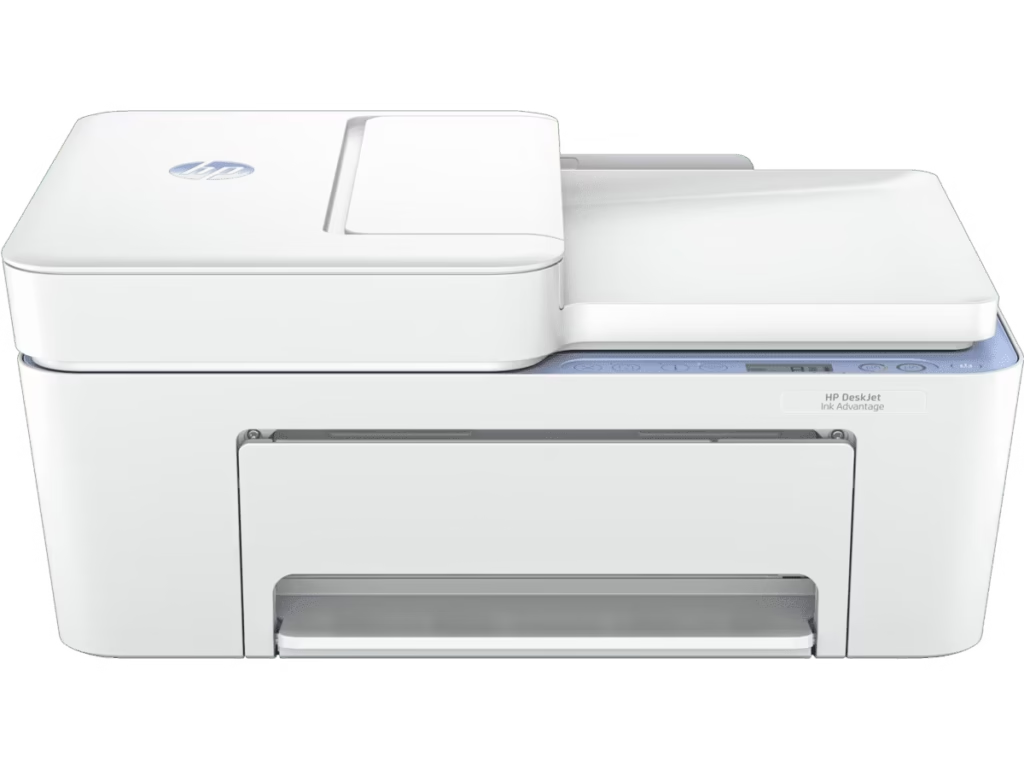
Image Source: HP India

Great for Multi-Page Scanning and Busy Moms

This one is a little bigger and slightly costlier but it comes with something magical for moms:

ADF – Automatic Document Feeder

Which simply means you can put multiple pages at once for scanning or copying — no need to manually lift the lid every single time. 😍 Huge time-saver during school admission paperwork or when scanning multi-page homework!

Print quality is good, colours look brighter, and it feels suitable for a home-plus-small-office setup.

Best for moms who: need to scan/print more frequently and want convenience.

You can check the full HP Ink Advantage 4278 specs here.


Mom-to-Mom Verdict 👩‍👦💬

FeatureCanon PIXMA E470HP Ink Advantage 4278
PriceMore budget-friendlySlightly higher
Best ForLight school printing, home useBusy moms, frequent scanning/printing
Printing NeedsOccasional worksheets, small projectsDaily school printables, admission forms, note
Wi-Fi PrintingYes, very convenientYes, smooth connectivity
ADF (Automatic Document Feeder)❌ No — single-page scanning✔️ Yes — scan multiple pages at once
Size & SpaceCompact & lightweight — fits anywhereBigger & heavier — needs more space
Ink Consumption / CostEconomical ink replacementInk also good but refills cost a bit more
Print SpeedGood for light usageFaster & more efficient
Print QualityClear for text + decent colour printsBetter colour sharpness overall
Who Will Love It?Moms with younger kids (Nursery–UKG)Moms with school-going kids with more assignments

If your printing needs are simple — Canon E470 is the perfect budget printer for home.

But if your child’s school sends tons of printables (every day!), and you see yourself scanning more pages often — HP 4278 will make life easier.


What I Finally Chose

Which Printer Should You Buy? My Mom Verdict

After lots of thought about space, usage, and budget — I’m leaning towards Canon PIXMA E470 for now, since my son is still little and prints are not too many. 😄
But who knows… once school fully starts, HP’s ADF might come calling again! 🤣


If you’re also a mom looking for a good home printer, I hope this helped you decide. 💛
Let me know in the comments which printer you use at home any mom hacks are always welcome on Mumoo Talks! ✨📚🖨️

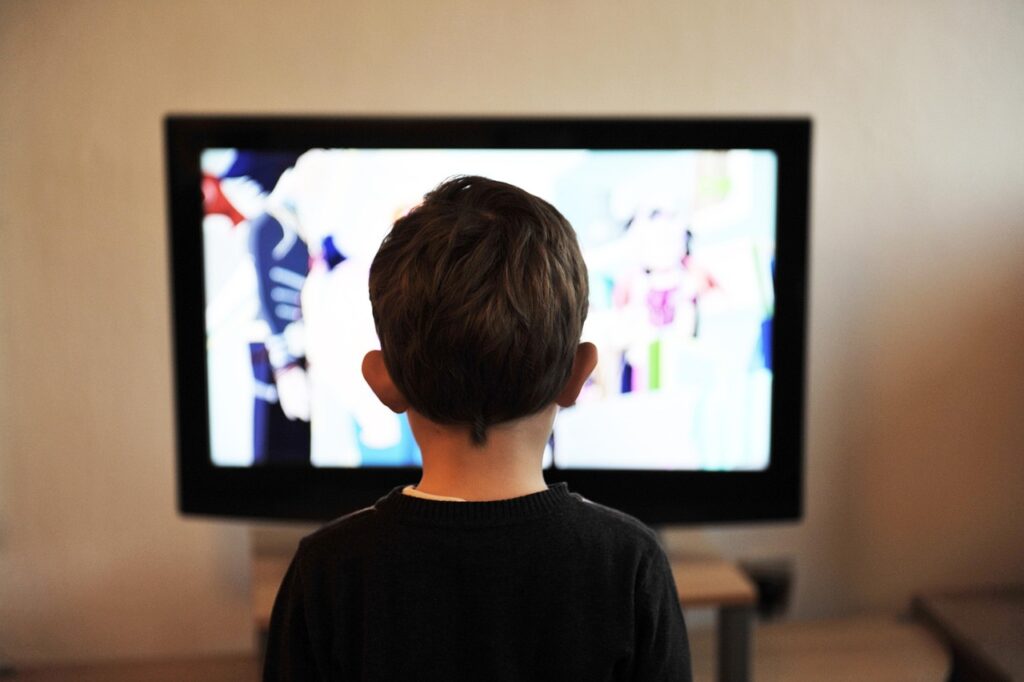
How We Reduced Screen Time in Just 7 Days (Without Tantrums) — Real Mom Method

simple play ideas for toddlers at home

If you’re expecting some fancy “no-screen” rules or a magic parenting formula — sorry, this is not that.

This is just my real mom experience of how we reduced Cocomelon / cartoon time in only 7 days…
without crying, shouting, or turning the house into a battlefield.

And trust me —
I am NOT a “perfect mom.”
I didn’t do Montessori-only, wooden toys, peaceful music-only type things.
I simply made small changes every day and they worked.

So here’s exactly what we did ❤️


Why We Even Needed This Change

How screen time affects kids

Like I mentioned before…
my son started watching screen time early — even before he was 1 year old —
because I was handling him alone and just needed help.

Yes, you are reading it right and I have penned down my whole experience in this blog.

Slowly, screen time became our default calm pill.
The problem was:
Without screen, he could not sit still not eat or drink anything.

He:

  • Kept switching toys fast
  • Kept switching videos fast
  • Couldn’t focus
  • Became restless while eating
  • Wanted Cocomelon all day

That’s when I realised — this wasn’t just “entertainment.”
It was overstimulation.

So I decided to cut down.
Not eliminate — just reduce.

And within ONE week —
the difference was visible.

Here’s exactly what we did 👇


The 7-Day Plan

📍 Day 1 — Don’t Remove Screen Time… Just Observe

No rules.
No changes.
Just observe:

  • When does he ask for screen?
  • What triggers it?
  • Is he bored? Hungry? Tired?

I realised my son asked for Cocomelon when:

  • He was eating
  • He was bored
  • He wanted comfort

Just knowing why helped me prepare alternatives.

⏱ Goal: Track patterns, not reduce.


📍 Day 2 — Reduce ONLY 10–15 Minutes

I didn’t say “No screen.”
I just cut 10–15 mins total.

Example:
If he usually watched 1 hour → reduced to 45–50 min. Instead, took him out for a walk and made him talk to atleast one stranger in our neighbourhood.

He didn’t realise the 15 min change.
We replaced that little time with:

  • Introducing him to new people
  • Watercolor play
  • Toys
  • Snack time chat
  • introduced him to our daily cooking utensils with some water in it.

Tiny change → Zero resistance.

⏱ Goal: Cut a little. Not a lot.


📍 Day 3 — Keep Screens AWAY From Meals

This ONE change was a game-changer.

Earlier, meals = screen.
Now, meals = no screen.

Instead, I:

  • Talked to him
  • Let him touch food
  • Gave small bowls & spoons
  • Played slow music in background

Was it perfect?
No.
He resisted at first.
But by end of day, he accepted it.

⏱ Goal: Screen-free mealtime


📍 Day 4 — Switch to SLOWER Shows

This trick works beautifully.

Instead of Cocomelon (fast),
I offered:

  • some goan music dance shows

They are gentle, warm, and calm. Matching his goan vibe.
No hyper cuts, no flashing.
He still got screen time
but at a much calmer pace.

⏱ Goal: Reduce overstimulation, not screen time


📍 Day 5 — Create One Screen-Free Activity Time

I chose 20–30 minutes a day for:

  • Stickers
  • Blocks
  • Pretend kitchen
  • Water
  • Doodling
  • Dough play

He didn’t play alone immediately. He needed me everytime and everywhere.
I sat with him.
Slowly, he adjusted.

⏱ Goal: One predictable, screen-free slot


📍 Day 6 — “Pre-Decide” the Shows

Big hack ↓

Don’t ask:

“What do you want to watch?”

Say:

“We can watch one song / one episode and then play blocks.”

Clear expectations = fewer tantrums.

⏱ Goal: Limit choice + clarify duration


📍 Day 7 — Keep Screens Off in the Background

Earlier, I used to keep music/videos playing in background “for fun.”

It overstimulates even if they aren’t watching.

So, on Day 7 →
I kept background screen off.

Suddenly the house felt calmer.
And so did his behaviour.

⏱ Goal: Silence = calm


Results After 7 Days

Nothing magical…
just SIMPLE changes.

But the effects were beautiful:

✅ Longer attention span
✅ More toy-play
✅ Less screen asking
✅ Calmer behaviour
✅ Easier meals
✅ Fewer meltdowns

He started being present — not constantly searching for stimulation.

Real life became fun again.


Important Notes (From One Mom to Another)

✘ I did NOT stop screen time
✘ I did NOT shame myself
✘ I did NOT force anything

✔ I only reduced
✔ Slowly
✔ Patiently

No mom guilt.
No pressure.

We do what we can, with what we have.

And sometimes — these tiny steps make a big difference.


If You Want to Try This…

Just remember:

  • Don’t cut suddenly
  • Go slow
  • Notice triggers
  • Offer alternatives
  • Praise your child

This is not about “no screen”
It’s about healthy screen.

And you’ll be surprised…
kids adjust faster than we think.

We just have to guide softly💛

Read what WHO has to say about Children’s screen time. According to the American Academy of Pediatrics (AAP), young children benefit from limited screen exposure and more hands-on interaction. Read more here.

How Cocomelon Overstimulates Toddlers — My Experience

child overstimulated after screen time

I’m going to be honest I was never a “no-screen” parent.
My son was a cranky baby from the beginning, and I handled him mostly alone. Some days were so overwhelming that if something — anything — helped him calm down for a few minutes, I took it.

So yes, I showed him Cocomelon even before he turned one.
It started as pure survival.

He enjoyed it.
I got time to eat, finish chores, sometimes just breathe.
At that time, it genuinely felt like a blessing.

Soon, he fell completely in love with the show — especially JJ.
By his birthday, there was no going back.
We had a full Cocomelon theme — JJ cake, decorations, props… the works.
We were a proud Cocomelon house.

I didn’t once think it could affect him negatively.
It looked colourful, musical, harmless.
Cute kids singing songs — what could be wrong?

But slowly, I started noticing changes.


Small Behaviours That Made Me Pause

Nothing huge happened overnight.
It was all very slow, very tiny but noticeable if you paid attention.

He suddenly needed constant stimulation.
Normal toys felt boring too fast.
He couldn’t sit still not while playing, not during meals.

If he wasn’t watching Cocomelon,
it felt like his brain was still running at that same speed.

Even his play became rushed one toy for two minutes, then another, then another.
No settling, no calmness.

At first, I thought it was just normal toddler energy.
But when it kept happening, I started watching Cocomelon myself properly to see what he was seeing.

That changed everything.


What I Observed When I Actually Watched

cocomelon and its effects

The show moves very fast.
Scenes keep changing, songs start suddenly, then switch again.
Colours are extremely bright.
The background music never rests.
Everything is constant sounds, movement, energy.

There is no pause.
Nothing slow.
No simple silence.

It’s like the brain keeps getting hit with one thing after another.

As adults, we don’t feel it much.
But for toddlers whose brains are still forming this is too much.

It trains them to expect:

  • Fast movement
  • Loud sounds
  • Constant excitement

Real life is not like that.
Real life is slow.

So when they stop watching, real life suddenly feels boring.
This is how overstimulation begins.

And this explained exactly what I was seeing in my son.


Changes I Saw in His Behaviour

The biggest one was his attention span.
He couldn’t focus on one activity for long.
Blocks, cars, books everything lasted only a few minutes.

He also became more impatient.
If something didn’t go his way immediately, he reacted quickly frustration, whining, crying.

Not shouting or aggression
but an irritated, restless kind of discomfort.

Another thing
he would ask for Cocomelon constantly.

Even when he wasn’t watching,
he would sing loudly or demand a song.
Sometimes, even during meals, he needed something playing.

It was almost like his brain had forgotten how to just… be still.

That’s when I realised this wasn’t helping him anymore.


What I Did Next (Slowly, Not Forcefully)

I didn’t stop it suddenly.
Honestly, that would’ve created a war at home.
So I reduced it little by little.

Instead of removing Cocomelon completely,
I introduced slower alternatives like:

  • Bluey
  • Puffin Rock
  • Daniel Tiger

These shows feel calmer, more natural.
There are pauses.
Characters talk normally.
Scenes are slower.

At the same time,
I encouraged very simple play:

  • Water play
  • watching birds
  • playing with kid friendly colors
  • Stickers
  • Pretend kitchen
  • Blocks
  • Crayons

Nothing fancy — just real activities.

Over a few weeks,
I could see changes.

He became calmer.
He could sit longer.
He played more with toys.
He asked less for JJ.

It didn’t happen overnight,
but it happened.


So, Is Cocomelon Bad?

I don’t think it’s about “good” or “bad”.
Every home and every child is different.

But from my experience,
Cocomelon overstimulates toddlers.
It works at a pace that their brain gets addicted to,
and when that stimulation is gone,
they feel restless.

This is not about guilt.
I showed it too early, regularly, freely.

It helped me through tough days
when I didn’t have support.

But once I saw how it was affecting him,
I decided to cut it down
and offer gentler screen options.

That’s all.


Final Thoughts — Mom to Mom

There’s no perfect parent.
We’re all trying our best with what we know.

If your child enjoys Cocomelon,
it’s okay.
You’re not doing anything wrong.

Just observe
How do they behave afterward?
Can they play without screens?
Are they calm?
Are they present?

If you feel something is off,
try slowing it down
and see if it helps.

Motherhood is just that
learning, adjusting, and doing what feels right for your child. 💛

Earlier I also wrote about Masha and The Bear’s negative effects on toddlers.

Experts also remind us that toddlers learn best from real-life interaction.
According to the WHO screen-time guidelines, young children benefit from limited, mindful screen time and more hands-on play.

The Day a Mother Won for Every Child: How Dr Sivaranjani Santosh Fought to Ban Fake ORS Drinks

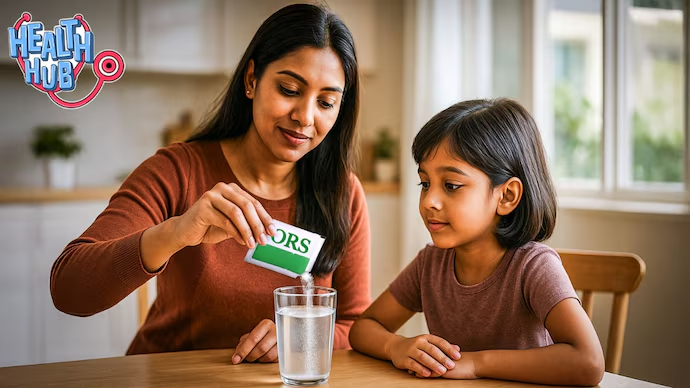
Mother giving her child a glass of water during illness — symbolizing hydration and care. ORS awareness for parents

I still remember the day I opened Instagram and saw Dr Sivaranjani Santosh crying with happiness.
I had been following her for months. Every time she spoke about “fake ORS” drinks being sold across India, I could feel her frustration and pain. She wasn’t doing it for fame or followers she was doing it for our children.

As a mother, I always thought anything labelled “ORS” was safe. Whenever my child fell sick or showed signs of dehydration, I would reach for those ready-made bottles from the store thinking they were life-saving.
Little did I know, many of them weren’t even close to what real Oral Rehydration Solution should be.


The Truth About Fake ORS Drinks

Dr. Sivaranjani Santosh, Hyderabad-based paediatrician who led the campaign against fake ORS drinks in India.
Dr. Sivaranjani Santosh — the paediatrician who fought an eight-year battle to protect children from fake products.

For years, companies have been selling sugary drinks with the word “ORS” printed boldly on their labels. They tasted sweet, came in fancy packaging, and promised to “rehydrate instantly”.
But Dr Sivaranjani Santosh, a paediatrician from Hyderabad knew something was wrong. These so-called ORS drinks didn’t match the World Health Organization’s (WHO) formula.

Real ORS is a carefully balanced mix of salts, glucose, and electrolytes designed to replace what the body loses during diarrhoea or vomiting. When the sugar or salt levels are wrong, it can actually make dehydration worse, especially in small children.

Dr Sivaranjani spent eight long years fighting to stop these fake ORS drinks from reaching our homes. She wrote to authorities, raised awareness online, and faced criticism from big brands. But she never gave up.


The Victory That Made India Listen

Infographic comparing real WHO-approved ORS and fake ORS drinks with sugar imbalance
Know the difference — real ORS saves lives, fake ones can harm your child.

On 14 October 2025, the Food Safety and Standards Authority of India (FSSAI) finally banned the use of the word “ORS” on any drink or food product that doesn’t meet WHO standards.
It was a historic moment and the result of one woman’s courage and persistence.

That day, when Dr Sivaranjani posted a video on Instagram with tears in her eyes, I cried too.
Not just because she won, but because every child in India won.

I felt proud to be a mother in a country where someone stood up for the truth where a doctor refused to let marketing tricks endanger innocent lives.


What This Means for Parents Like Us

As parents, we trust easily sometimes blindly. We pick products from shelves believing if it says “for kids” or “doctor-recommended”, it must be safe.
But this entire ORS issue reminded me that awareness is our biggest weapon.

Now, I check every label carefully. I only buy WHO-approved ORS sachets from pharmacies.
If a drink looks colourful, tastes too sweet, or comes in a fancy bottle claiming “instant energy”, I skip it because that’s not real ORS.

Real ORS doesn’t need branding. It saves lives quietly.


My Message to Other Moms

To every mom reading this please don’t fall for packaging or big promises.
When your child is sick or dehydrated, always ask your paediatrician which ORS to use. Keep the plain WHO-standard ORS sachets at home. They may not taste great, but they work miracles.

And if you’re on Instagram, do follow Dr Sivaranjani Santosh. Watch her stories, listen to her advice she’s not just a doctor, she’s a warrior for our children’s safety.

This ban isn’t just her victory. It’s a victory for every parent who wants the best for their child.

🌿 Final Thoughts

As parents, we often trust what’s available on the shelves without questioning it believing it’s safe just because it’s common. But this entire journey taught me that awareness is the biggest form of protection we can give our children. Dr. Sivaranjani’s fight reminded me to pause, read, and research before I pick up anything for my child. One mother’s voice can protect her own home but when a doctor and thousands of mothers unite, we can protect a generation.

Also, do Check out my simple Drumstick Soup Recipe for Toddlers) — a nourishing homemade option for recovery days.

🌿 The Golden Detox Water Routine: A Tradition Passed Down from My Father

Every morning in our home begins with something simple yet powerful — a warm glass of turmeric water.
It’s more than a drink. It’s a memory, a legacy, and a ritual that keeps me connected to my roots.

Growing up, I watched my father start his day with this golden water. He always said, “If your mornings begin clean, your whole day feels light.” The earthy smell of turmeric filling the kitchen is still one of my favourite childhood memories.

Now, even after marriage, I continue this morning ritual — and my husband has joined me too. What began as my father’s health habit has now become our family’s way of beginning the day — calm, clean, and balanced.


🌞 Why Morning Detox Water Is So Important

After a long night’s rest, our body wakes up ready to release toxins. What you drink first thing in the morning decides how your gut, skin, and mind feel throughout the day.

That’s why a simple glass of turmeric and methi detox water works like a natural cleansing tonic — it flushes out toxins, resets digestion, boosts metabolism, and gives your skin a natural, healthy glow.


💛 My Morning Detox Water Recipe

Ingredients:

  • 2 glasses warm water
  • ½ tsp organic turmeric
  • 1 tsp methi (fenugreek) seeds — soaked overnight
  • ½ lemon (juice)
  • A pinch of black pepper

How to Make It:
Add turmeric and methi water to warm water, squeeze lemon, and finish with a small pinch of black pepper. Stir well and sip slowly on an empty stomach.

🌿 Why Black Pepper Is So Important

When I began reading more about my father’s turmeric ritual, I discovered something fascinating — adding a pinch of black pepper enhances the absorption of curcumin, the powerful compound in turmeric that gives it its anti-inflammatory and detoxifying properties.
That tiny pinch of pepper is what turns this simple drink into a real healing tonic.


🌼 Benefits of Turmeric Detox Water

1. Flushes toxins naturally
Supports liver function and helps the body release toxins gently.

2. Promotes clear, glowing skin
Turmeric purifies the blood and reduces internal inflammation, leading to brighter, healthier skin.

3. Aids digestion and bowel movement
Methi seeds lubricate the intestines and ensure one smooth bowel movement — no bloating or heaviness.

4. Helps in weight loss
This drink boosts metabolism and controls unnecessary cravings through the day.

5. Balances hormones and mood
A clean gut equals a calm mind. When digestion is balanced, energy and focus improve naturally.


🍃 My Daily Detox Water Routine

I like to keep my day balanced with a few simple herbal waters that support the body in different ways.

🌿 Morning – Turmeric & Methi Water

Flushes out toxins and activates metabolism.

🌱 Mid-Morning – Moringa Water

½ tsp moringa powder in water — rich in chlorophyll, cleanses the liver, reduces cravings, and keeps skin clear.

💧 Afternoon – CCF Water (Coriander, Cumin & Fennel)

Boil 1 tsp each of coriander, cumin, and fennel seeds in 1 litre of water. Sip through the afternoon for easy digestion and fresh skin.

🍃 Evening – Mint & Ginger Infused Water

Mint leaves, ginger slices, and cucumber in water — perfect to calm digestion, cool the body, and refresh the skin.

🌙 Night – Turmeric + Ghee Water

Before bed, I drink warm water with turmeric, a tiny pinch of black pepper, and a few drops of ghee. It detoxes the liver overnight and gives a fresh, clean start the next morning.


🌸 Real Changes I’ve Seen

✔️ My digestion is smoother — just one healthy bowel call every morning.
✔️ My skin glows without makeup.
✔️ My energy levels are consistent through the day.
✔️ My cravings for tea and sweets are gone.
✔️ My mood feels calmer, lighter, and happier.

This isn’t about a quick detox. It’s about respecting what our parents taught us — small, mindful rituals that heal the body slowly and naturally.


💛 A Small Tradition, A Big Change

When I see my husband sipping his turmeric water beside me every morning, I can’t help but smile.
This is how traditions live on — not through grand gestures, but through small, consistent habits that remind us where we come from.

So tomorrow morning, before your cup of tea or coffee, try this golden drink.
Let the warmth of turmeric, the calm of methi, and that tiny pinch of black pepper work their quiet magic.

Because sometimes, the best detox for your body — and your mind — starts with a simple sip of tradition. 🌿✨


💬 Save this for later:

Detox water for glowing skin • Natural morning drink • Ayurvedic gut cleanse • Weight loss drink that works

Diwali 2025 & Working Moms: How to Celebrate Smart and Turn It Into a Mini Vacation

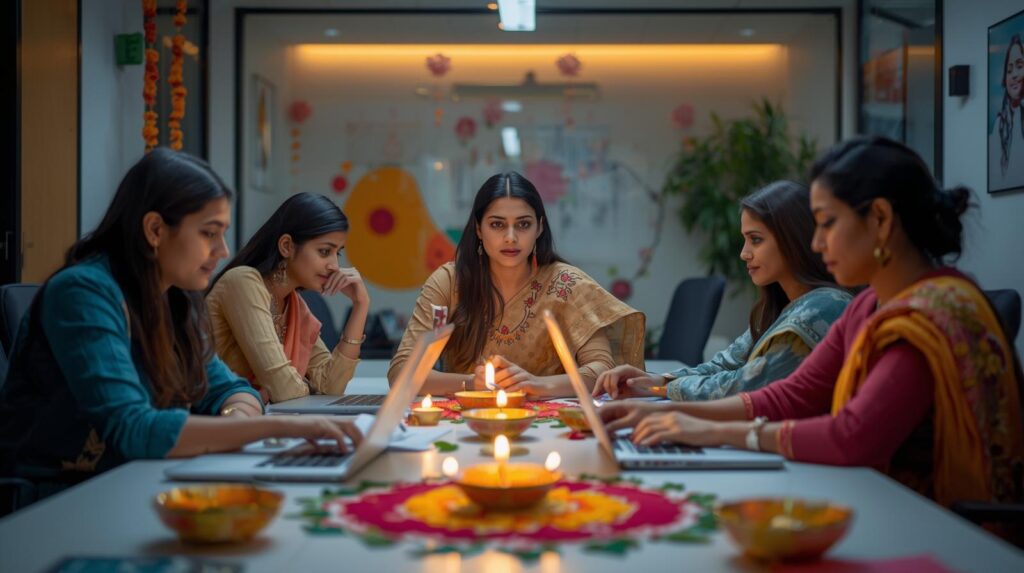
Diwali 2025 and working moms

Diwali the festival of lights, sweets, and endless family bonding is right around the corner! This year, Diwali falls on Monday, 20th October 2025, and it’s the perfect chance for working moms to celebrate wholeheartedly and squeeze in a short, refreshing break.

Between office work, home décor, sweets, and puja prep, working moms often find themselves multitasking through the festival. But with a little planning, you can enjoy the celebration stress-free and even plan a mini family vacation to recharge your energy.

Let’s look at how you can make your Diwali 2025 truly balanced, joyful, and restful.


🌼 Plan Your Week Smartly

Here’s how the festive week looks this year:

📅 Diwali Week 2025 Calendar

  • Oct 17 (Friday): Dhanteras – Start shopping, cleaning, and decorating your home.
  • Oct 18 (Saturday): Chhoti Diwali – Begin lighting diyas and prepping for the main puja.
  • Oct 19 (Sunday): Family Day – Finish sweets, rangoli, and get ready for Diwali night.
  • Oct 20 (Monday): Diwali – Celebrate, dress up, light diyas, and enjoy family time.
  • Oct 21 (Tuesday): Govardhan Puja – Visit relatives or host small gatherings.
  • Oct 22 (Wednesday): Bhai Dooj – Celebrate sibling love and exchange gifts.
  • Oct 23–24 (Thu–Fri): Take two leave days to relax or travel.
  • Oct 25–26 (Sat–Sun): Weekend – Perfect for a short trip or staycation!

💡 Smart tip: By taking just two days off (Oct 23–24), you can turn your Diwali into a 10-day celebration from Oct 17 to Oct 26 perfect for rest, travel, and family connection.


💫 How Working Moms Can Prepare Before the occasion

Working moms carry double the responsibility meeting office deadlines and keeping festive traditions alive. Here’s how to stay calm and ahead of the rush:

  • Finish office work early: Try completing key projects before October 15th. This helps you switch off mentally when the festivities begin.
  • Start cleaning a week early: Instead of one big day, clean room by room each evening with help from your partner or kids.
  • Pre-plan sweets and snacks: Prepare or order faral items like chakli, laddoo, or karanji in advance and store them airtight.
  • Decorate gradually: Add one element each day lights, rangoli, torans, and flowers so it feels fun, not tiring.
  • Plan outfits ahead: Keep your sarees or festive clothes ready by mid-October to avoid last-minute ironing chaos.

🧳 Turn it into a Mini Vacation

Once the main celebrations and rituals are done, why not treat yourself and your family to a short getaway? You deserve it after all the festive hard work!

Here are some easy, budget-friendly ideas:

🌊 Beach Getaway:
If you’re from Goa, Mumbai, or nearby regions, escape to quieter beaches like Vengurla, Gokarna, or Tarkarli. Enjoy the sound of waves, coconut water, and lazy evenings.

🌿 Nature Escape:
Head to scenic hill stations like Mahabaleshwar, Coorg, or Matheran for some greenery and peace. The post-monsoon weather is perfect for outdoor fun with kids.

🏡 Hometown Visit:
If you live away from your family, extend your Diwali week by spending time with parents or cousins. Nothing beats home-cooked food and childhood nostalgia!

🏙️ Staycation Bliss:
Don’t want to travel far? Book a cozy resort in your own city. Enjoy pool time, festive buffets, and quiet family bonding without the packing stress.


💛 How to Manage Work Without Guilt

To enjoy your Diwali vacation stress-free, finish work tasks in advance.

  • Set your “Out of Office” message before leaving.
  • Delegate responsibilities to colleagues.
  • Avoid checking emails during your trip.
  • Return one day before office reopens to settle back calmly.

Work will always be there, but Diwali memories won’t come twice. 🌸


💼 A Gentle Note for Leaders

Festivals like Diwali are about warmth and togetherness. Allowing working moms (and dads too!) flexible time off shows true inclusivity. Encourage your teams to celebrate, recharge, and return refreshed. When employees feel supported during special occasions, their motivation and gratitude multiply.


🪔 This Diwali, Choose Joy and Rest

Dear moms, you light up every home with your love and energy but even diyas need refilling. This Diwali, plan smartly, celebrate deeply, and then take a little break just for yourself.

Because when moms rest, the whole family shines brighter. 💖

Wishing every working mom a beautiful, balanced, and blissful Diwali 2025!

The Aquaguard Lesson: Why I’ll Think Twice Before Buying Electronics from Big Stores Again

As a mom, I always believe that the small choices we make at home like what we eat, how we live, what we buy ,etc all add up to the kind of life we give our families. So when it came to something as basic as a water purifier, I wanted nothing but the best.

On a bright December afternoon, we walked into Reliance Digital to buy an Aquaguard purifier. The store was polished, the salesperson was sweet, and the offer sounded perfect. “You’ll never have to worry about safe drinking water again,” he promised.

I smiled, thinking this was one task ticked off my long mom-list.

But a few months later, when the purifier stopped working, that’s when the real story began.


The After-Sales Reality No One Talks About

When you buy from a big brand store, you expect big-brand service, right? But what I learned was the complete opposite.

After just a few weeks of using our new purifier, it broke down. I tried calling the customer service helpline, emailing, even visiting the store personally. Every time, someone said, “We’ll get back to you soon.”

Spoiler: they never did.

Instead, I was bounced between Reliance Store Service and their CEO help desk each one blaming the other. For over two months, my family, including my little one, had no access to filtered water. We survived on buying water cans, which cost not just money, but peace of mind and a whole lot of strength for the water cans.

And honestly, that’s when it hit me these huge stores may have the fanciest displays and the biggest discounts, but when it comes to responsibility, they often vanish from the picture.


Why Local Shops Still Win Hearts

A few weeks later, I visited a small electronics shop in my area for a different product. The difference was like night and day. The shop owner knew his products inside out. He explained the warranty properly and even said, “Madam, if there’s any issue, just call me I’ll get it sorted.” In my mind I was just repeating to myself that these are just fancy words. But No, he proved me wrong.

And guess what? When I did call for a minor issue, he sent someone the same day.

That’s the beauty of small shops that they care. They depend on every customer’s satisfaction because that’s how they survive and grow. There’s no passing the blame, no waiting on hold for 20 minutes. You speak to a real person who values your trust.


The Pros and Cons: Big Stores vs. Small Shops

Here’s what I’ve learned (and what every mom should know):

Buying from Big Stores (Reliance, Croma, etc.)
✅ Big variety and festive discounts
❌ Poor after-sales support
❌ Endless blame game between store and brand
❌ You become just another invoice number

Buying from Local Shops
✅ Personalized service
✅ Direct accountability — they know you, and you know them
✅ Faster problem resolution
❌ Slightly fewer offers, but the peace of mind is worth it


My Takeaway

As moms, we already juggle enough from mealtime chaos to sleepless nights. The last thing we need is running behind customer care teams that don’t care.

So next time you’re buying electronics be it a purifier, TV, or fridge don’t just look at the offer price. Ask about the after-sales service. Ask who will help you if something goes wrong.

Because once the billing is done, the only thing that truly matters is who stands by you when the product fails.

And trust me it’s usually the humble local shop owner, not the big fancy showroom.

Drink water from Earthen Pots to Stay Cool Naturally: Why You Should Drink Water from an Earthen Pot This Summer

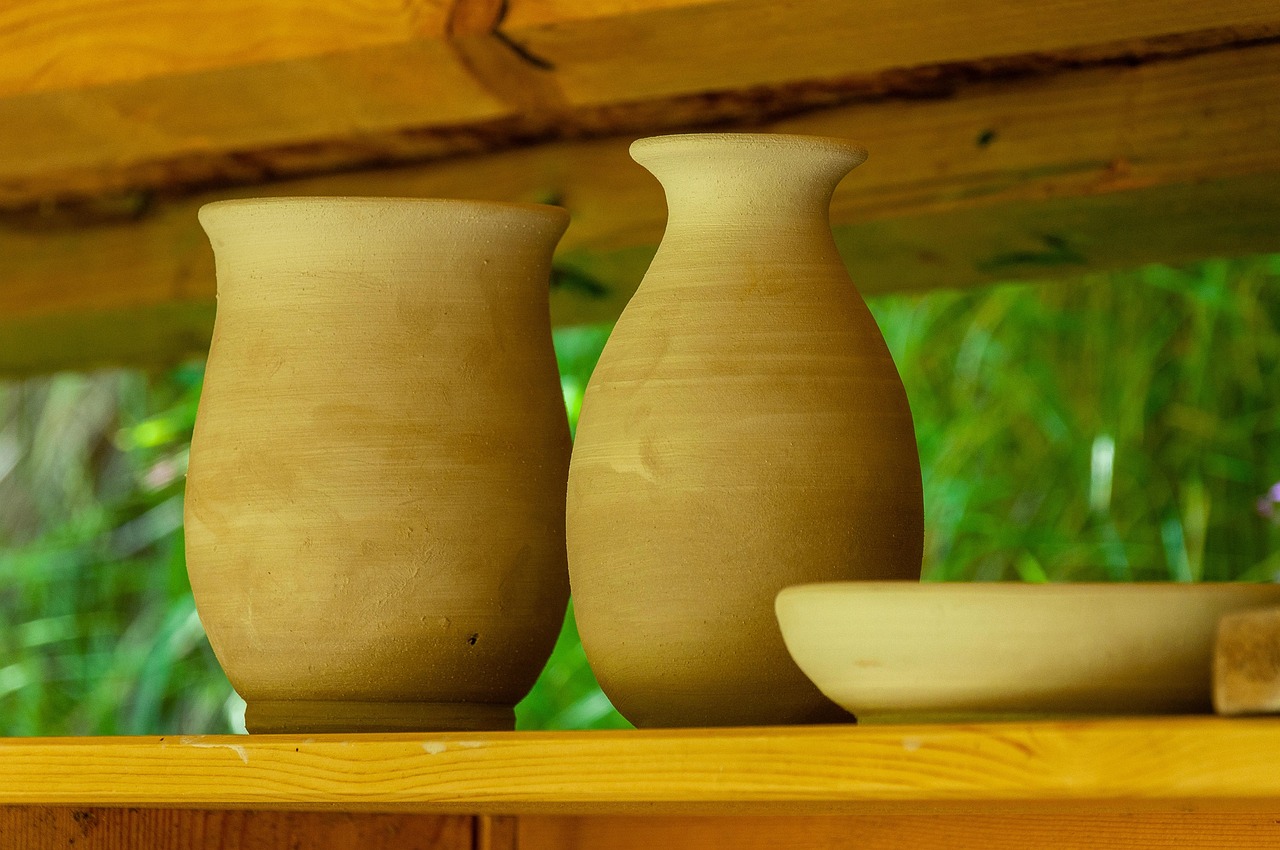
Store water naturally in clay pots

As the scorching summer sun takes over, staying hydrated becomes a priority. While most people rely on refrigerators for chilled water, an age-old, eco-friendly alternative is gaining popularity again earthen pots or matkas. These clay pots naturally cool water, offering a refreshing and health-friendly way to quench your thirst.

Why Choose an Earthen Pot?

  1. Natural Cooling Effect
    Unlike refrigerators that use artificial cooling, earthen pots have tiny pores that allow water to evaporate slowly, reducing the temperature naturally. This process keeps the water pleasantly cool without being ice-cold, which is gentler on the throat and digestive system.
  2. Boosts Metabolism and Digestion
    Drinking extremely cold water from the fridge can slow down digestion. In contrast, water stored in an earthen pot remains at an optimal temperature, supporting smooth digestion and preventing throat infections.
  3. Adds Essential Minerals
    Clay pots naturally enrich water with minerals like calcium, magnesium, and phosphorus, which are beneficial for overall health. Unlike plastic or metal containers, they do not release harmful chemicals into the water.
  4. Eco-Friendly and Sustainable
    With increasing environmental concerns, switching to a clay pot is a great way to reduce plastic waste. These biodegradable and sustainable pots contribute to a greener planet while offering a natural way to store water.
  5. Enhances Taste
    Have you ever noticed how water from an earthen pot tastes fresher and more refreshing? The porous nature of clay allows for natural filtration, eliminating any unpleasant odor or taste that might be present in tap water.

You can read more about The Environmental Benefits of Using Clay Pots here.

Why Avoid Drinking Fridge-Cold Water in Summer?

While chilled water from the refrigerator may seem refreshing, it may not be the best choice for your health. Here’s why:

  1. Sudden Temperature Shock – Ice-cold water can shock your system, leading to throat infections, headaches, or weakened immunity.
  2. Slows Digestion – Cold water constricts blood vessels and slows metabolism, making digestion sluggish.
  3. Triggers Migraines & Sensitivity – Extremely cold water can stimulate nerves in the mouth, leading to migraines or brain freeze.
  4. Reduces Hydration Efficiency – Your body absorbs lukewarm or naturally cooled water more efficiently.
  5. Weakens Immunity – Cold water increases mucus production, making you more susceptible to colds and respiratory issues.

Pregnancy Care: Why Expecting Moms Should Choose Earthen Pot Water

Pregnant women need to be extra careful about hydration and body temperature, especially during hot summer months. Here’s what they should keep in mind:

  1. Drink Lukewarm or Naturally Cool Water
    • Avoid fridge-cold water to prevent throat infections and digestive issues.
    • Earthen pot (matka) water is the best alternative as it stays naturally cool and is rich in minerals.
  2. Stay Hydrated
    • Drink 8-12 glasses of water daily to avoid dehydration.
    • Coconut water, fresh fruit juices, and buttermilk help maintain electrolyte balance.
  3. Avoid Excessive Heat Exposure
    • Stay indoors during peak hours (12 PM – 4 PM).
    • Wear breathable cotton clothes and always carry a water bottle when stepping out.
  4. Eat Water-Rich Foods
    • Include watermelon, cucumbers, oranges, and tomatoes in your diet.
    • Avoid spicy, fried, and high-sodium foods to prevent overheating.
  5. Watch for Overheating Symptoms
    • Dizziness, nausea, excessive sweating, or a rapid heartbeat can indicate heat exhaustion seek medical help if you feel unwell.
  6. Take Frequent Breaks & Rest
    • Avoid overexertion and take breaks in shaded or cool areas.
    • A short afternoon nap helps combat fatigue caused by hot weather.

When and How Should Babies Be Given Water?

Introducing water to a baby requires caution, especially in summer. Here’s what parents need to know:

  1. When to Start Giving Water?
    • Exclusive breastfeeding/formula feeding (0-6 months): Babies under 6 months do not need additional water, as breastmilk or formula provides sufficient hydration.
    • After 6 months: Small sips of water can be introduced along with solid foods.
  2. How Should Baby Water Be Prepared?
    • Always use boiled and cooled water to eliminate harmful bacteria and contaminants.
    • Avoid fridge-cold water as it may cause digestion issues and sore throats.
    • Matka water can be used, but it must be boiled first and cooled to lukewarm temperature before offering it to the baby.
  3. How Much Water Should a Baby Drink?
    • 6-12 months: 2-4 ounces (60-120 ml) per day.
    • 1 year and above: Water intake can gradually increase depending on activity levels and weather conditions.
  4. Safe Ways to Offer Water
    • Use a sterilized spoon, sipper, or training cup rather than a bottle to avoid overconsumption.
    • Give small sips at a time and ensure the baby is sitting upright while drinking.
    • Never force water intake babies naturally regulate their hydration needs.

Frequently Asked Questions (FAQs)

Q1: Can I store boiled water in an earthen pot?

Yes! Boiled and cooled water can be stored in an earthen pot. It will stay fresh and naturally cool without losing its essential properties.

Q2: How long does water stay fresh in an earthen pot?

Water in an earthen pot remains fresh for about 24 hours. It is best to refill and clean the pot daily to maintain hygiene.

Q3: Can babies drink water from a clay pot?

Yes, but only if the water is first boiled and cooled before storing it in the pot to ensure it is safe for babies.

Q4: How often should I clean my earthen pot?

Clean your earthen pot every 3-4 days using warm water and a soft brush. Avoid soap, as it may get absorbed into the clay.

Q5: Is earthen pot water safe during pregnancy?

Absolutely! Matka water is rich in minerals and naturally cool, making it an excellent choice for pregnant women.

Final Thoughts

Using an earthen pot for drinking water is a simple yet effective way to stay cool and healthy in summer. It not only provides naturally chilled water but also supports an eco-friendly and traditional lifestyle. Whether you’re looking to protect your digestion, avoid cold water health risks, ensure a safer summer pregnancy, or introduce safe hydration practices for your baby, switching to a matka is a smart choice.

Have you tried drinking water from an earthen pot? Share your experience in the comments below!

Healthy & Easy Baby Recipes for 6 months old (That Even Tired Moms Can Handle!)

Baby Recipes

Let’s be real feeding a baby isn’t just about nutrition; it’s a whole experience. At this stage, babies try to understand the taste, texture and consistency of food so mommies start your research of all types of baby recipes!

One day, they’ll love something; the next day, they’ll act like you’re trying to poison them. IYKYK. 🙃 But don’t worry, I’ve got some tried-and-tested, baby-approved baby recipes that are not only healthy but also super easy (because we all know no mom has time for MasterChef-level baby food).


My baby’s very first meal was Ragi Porridge. After trying the porridge for about 2-3 weeks we started with the following baby recipes!

1️⃣ Banana Oatmeal Mash Baby Recipe🍌 (A.K.A The Life-Saver)

This is the OG baby food quick, healthy, and they actually eat it (most of the time). Packed with fiber and natural sweetness, it’s perfect for little tummies.

🔹 Ingredients:
✔ 2 tbsp oats (powdered or whole)
✔ ½ banana (mashed)
✔ ½ cup water or milk (breastmilk/formula for younger babies)

Pro tip: to make the meal less hassle for cooking always pre powder the roasted oats so that you can directly add it in powdered form in water or milk.

🔹 How to Make:
1️⃣ Cook oats in water/milk for 2-3 minutes until soft.
2️⃣ Mash banana and mix it in.
3️⃣ Serve warm.

Why It’s Great: Easy to digest, full of energy, and bananas = instant sweetness without added sugar.

Health Benefits of Oatmeal for Babies: Oatmeal is a powerhouse first food for babies, rich in iron, magnesium, and B vitamins, supporting brain development and digestion. ​readysetfood.com

Nutritional Value of Bananas for Babies: Bananas are packed with essential nutrients like potassium, magnesium, and vitamin B6, which are beneficial for a baby’s growth and development. ​Once Upon a Farm


2️⃣ Carrot & Apple Puree Baby Recipe🥕🍎 (Vitamin Bomb for Tiny Humans)

This one’s for the immune system boost and to sneak in veggies without drama.

🔹 Ingredients:
✔ 1 small carrot (peeled & chopped)
✔ ½ apple (peeled & chopped)
✔ Water (as needed)

🔹 How to Make:
1️⃣ Steam carrot & apple until soft (5-7 min).
2️⃣ Blend into a smooth puree, adding water as needed.
3️⃣ Serve slightly warm.

Pro Tip: If baby is getting used to oats then try adding a little oats powder in this as well.

Why It’s Great: Carrots = Vitamin A (good for eyes 👀), Apples = Fiber (good for poop 💩).

Carrots for Babies: Carrots are a great source of beta-carotene and vitamin A, supporting eye health and immunity in infants.​

Apple Puree for Babies: Apples provide dietary fiber and vitamin C, aiding in digestion and boosting the immune system.


3️⃣ Moong Dal Khichdi Baby Recipe🍚 (The Baby Superfood)

Every Indian mom knows this khichdi is THE comfort food for babies. It’s easy on the tummy, iron-rich, and perfect for digestion.

🔹 Ingredients:
✔ 2 tbsp rice
✔ 1 tbsp yellow moong dal
✔ ¼ tsp ghee
✔ A pinch of turmeric
✔ 1 cup water

Pro Tip: Always roast the rice and moong dal before using it for the baby. Roasting the daal and rice keeps it free from mold and bugs. This is my grandma’s pro tip. So divide your daal and rice portion before using it and roast it and keep it in air tight container once it has cooled.

🔹 How to Make:
1️⃣ Wash rice and dal, then cook with turmeric and water until soft.
2️⃣ Mash well and add a drop of ghee before serving.

Why It’s Great: Light on the stomach, full of protein & iron, and a great transition to family meals.

Health Benefits of Moong Dal for Babies: Moong dal is easy to digest and rich in protein, making it an excellent choice for infants. ​BebeBurp

Nutritional Value of Khichdi for Babies: Khichdi provides a balanced mix of carbohydrates, proteins, and essential nutrients, supporting overall growth. ​Parent Circle


💡 Bonus: Quick Protein Baby Recipe for the baby to start at 6 months

Soak about 2-3 almonds overnight.

Wash them clean and grind them on the stone that is used to grind sandalwood.

It turns out like a thick paste.

Apply that paste on baby’s teether or just allow them to swallow little by little.

This is a must for all the babies!! Do try and let me know your feedback.

Final Thoughts: Feeding a Baby Shouldn’t Feel Like a Battle

Feeding babies is unpredictable some days they eat everything, and some days they look at you like, “Why are you ruining my life?” Just keep trying, mama. Keep meals simple, trust your instincts, and don’t stress too much if they reject something.

Which recipe are you trying first? Let me know in the comments! 💬

AI in Parenting: How Tech is Making Mom Life Easier (or Creepier?)

AI in parenting

I remember the first time I Googled, “Why won’t my baby sleep at night?” only to be bombarded with a million different answers some saying I should let my baby cry it out, others warning me that I’d ruin their emotional well-being forever. Enter AI in parenting tools, and suddenly, I had a virtual assistant telling me exactly what to do based on my baby’s age, sleep cycles, and even the room temperature. Science or sorcery? I wasn’t sure.

AI in Parenting is slowly creeping into every aspect of parenthood, from baby monitors that analyze cries to chatbots that give parenting advice. Some of it feels like magic, and some of it… well, let’s just say I don’t need a robot telling me my toddler is having a meltdown (I CAN HEAR THAT, THANKS!). But let’s break it down how exactly is AI changing parenting?

AI Baby Monitors: No More Guesswork?

Gone are the days of staring at a grainy baby monitor, wondering if your little one is breathing. AI-powered baby monitors like Cubtale and Cradlewise track sleep patterns, breathing, and even temperature. They send real-time alerts to your phone, so you don’t have to keep checking every five minutes (because we all know that paranoia is real so we now have AI in parenting handling it for us! Gosh!).

But let’s be real does an AI monitor really make us better parents? Some argue that we might be relying too much on tech rather than our instincts. What do you think? Is AI in parenting really replacing our instincts?

👉 Related Read: Are Baby Monitors Worth It? Pros and Cons

Also, find the budget friendly baby monitors here.

AI Sleep Trainers: The Digital Nanny?

AI apps like Huckleberry analyze your baby’s sleep habits and give you a personalized sleep plan. Instead of scrolling through endless sleep training forums at 3 AM, these apps tell you, “Hey, your baby is due for a nap in 15 minutes get ready!” Sounds amazing, right? But this is AI in parenting!

But here’s the catch sometimes AI doesn’t factor in baby mood swings (because let’s face it, babies do whatever they want). So, while AI can help, nothing beats a parent’s gut feeling.

👉 Internal Link Suggestion: If you’ve written about baby sleep struggles or routines, link it here.

AI-Powered Chatbots: Should You Trust Them?

There are AI chatbots that give parenting advice, answer medical queries, and even suggest fun activities based on your child’s age. They’re great when you need quick tips, but can AI really replace mom-to-mom advice or a pediatrician? Probably not. Also, let’s not forget AI isn’t perfect I once asked an AI chatbot how to deal with tantrums, and it suggested “ignoring the problem.” Uhm…

👉 External Resource: How AI is Changing Pediatric Healthcare

AI Toys: Learning or Just More Screen Time?

AI-powered toys like Miko, Cozmo, and Luka are designed to teach kids languages, problem-solving, and even social skills. Sounds great, except when you realize your toddler is having deeper conversations with a robot than with you.

The real concern? Privacy. Some AI toys collect data on what your child says and does. While it’s meant to improve the experience, it also raises questions how much should AI know about our kids?

👉 Related Read: Digital Privacy for Kids: What Parents Need to Know

The Good, The Bad & The Creepy

Good: AI makes parenting easier sleep tracking, baby monitoring, and personalized guidance can be lifesavers.

Bad: Over-reliance on AI might make parents second-guess their instincts.

😨 Creepy: AI collects data on children, raising major privacy concerns.

Final Thoughts: Are We Ready for AI Co-Parenting?

AI in parenting is helpful but not foolproof. It’s here to assist, not replace us. At the end of the day, no algorithm can match a parent’s intuition. So, while I love using AI for reminders, I still trust my gut when it comes to what my child needs.

What’s your take? Have you used AI in parenting? Would you trust a digital nanny to make decisions for your baby? Let me know in the comments!