Recipe for the Best baby food to Introduce to your 6 months old baby.

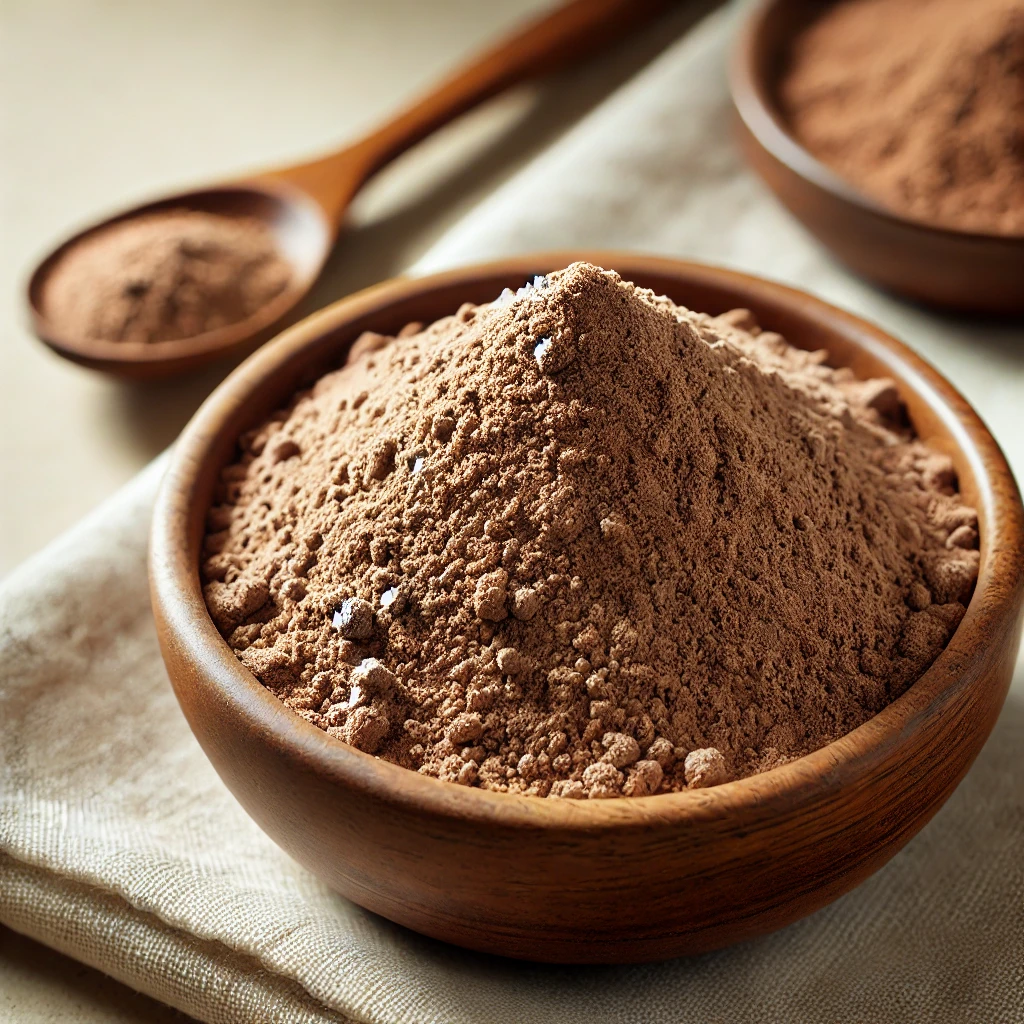
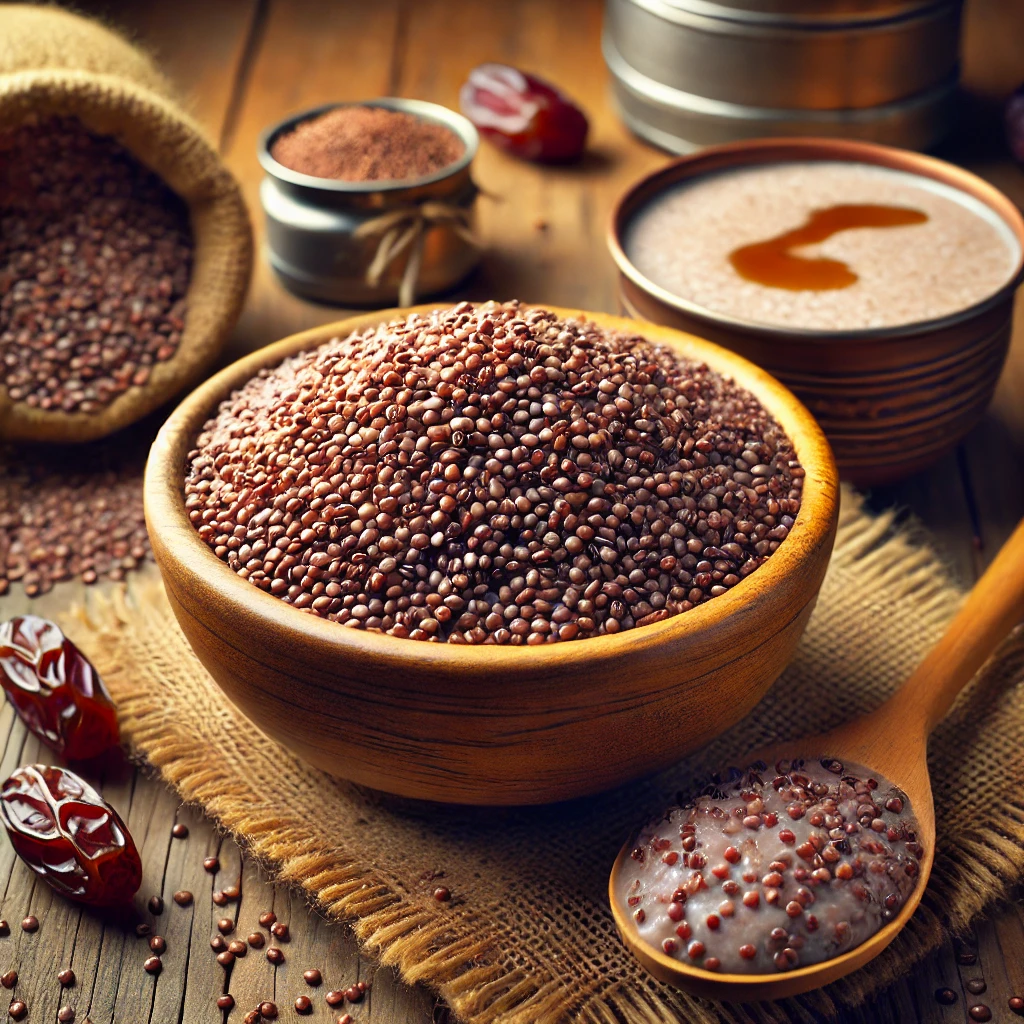
Ragi powder for Ragi Porridge

Gut-friendly food for your baby to start with solids.

When my little one turned six months old, I was both excited and nervous about starting baby food such as semi-solids because we had got a go-ahead from the pediatrician to start with baby food. Like every mom, I wanted the best first baby food something easy to digest, nutritious, and, of course, baby-approved! After a lot of research (and mom-approved wisdom from elders), ragi porridge became our first choice of baby food.

At first, it was just plain ragi cooked with water with no sweeteners, no additives like sugar or salt. But as my baby’s taste buds developed, I slowly introduced Slurrp powdered jaggery or homemade date syrup for a hint of natural sweetness because that was allowed. Watching those tiny hands eagerly reach out for each spoonful made me realize I had found the perfect wholesome, iron-rich, and gut-friendly meal to kickstart my baby’s food journey.

However, every baby is different, and some little ones may have sensitivities or allergies to ragi. It’s always best to consult your baby’s pediatrician before introducing any new food and my baby story was no different. You can check out what happened while we introduced the baby it’s first baby meal.

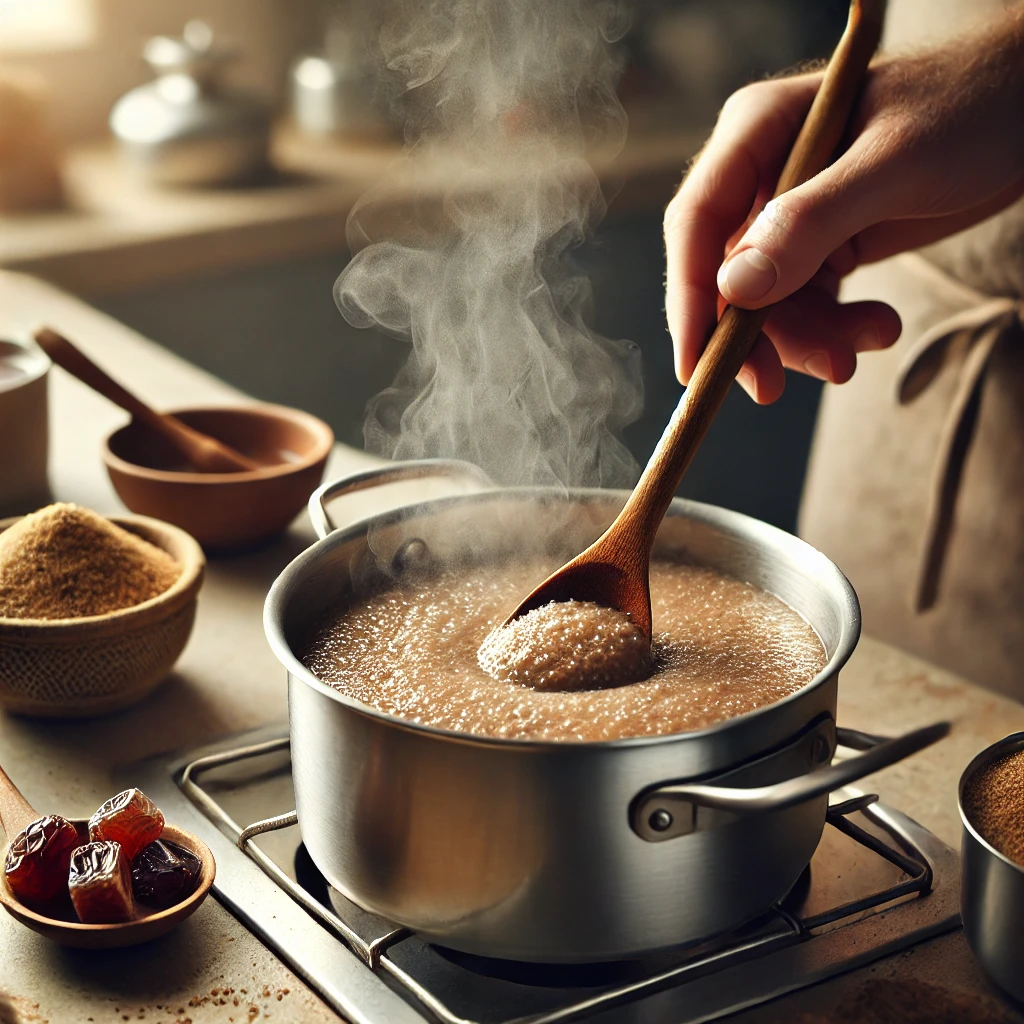
How to Make Ragi Porridge for Babies from 6 months onwards.

If you’re wondering how to prepare ragi porridge for your little one, here’s a simple recipe:
For the first attempt, we bought ragi seeds, dried them, and made the powder at home, ensuring it was fresh and chemical-free. While this was a fulfilling process, I soon started exploring other options for convenience and variety. That’s when I discovered Slurrp immunity booster Sprouted Ragi Powder.

Ingredients:

  • 2 tablespoons ragi flour
  • 1 cup water or formula milk (as per preference)
  • 1/2 teaspoon ghee (optional, for added nutrition)
  • Jaggery or dates puree (recommended for natural sweetness, used until the age of two)

Method:

  1. In a small pan, mix ragi flour with water or formula milk, ensuring there are no lumps.
  2. Cook on low to medium heat, stirring continuously to avoid clumping.
  3. Once the mixture thickens and turns glossy (around 5-7 minutes), add ghee if you are using.
  4. If desired, add jaggery or dates syrup or puree for sweetness.
  5. Allow the porridge to cool slightly before feeding your baby.

Gradually, I began replacing formula milk with Amul Toned Milk, introducing it slowly to ensure my baby’s tummy adjusted well. At first, it was on a trial basis just a small quantity mixed into the porridge to observe how my baby adjusted to the change.

As my baby adapted well to Amul Toned Milk, it became a part of our daily routine. From morning porridge to bedtime meals, it seamlessly replaced formula in most preparations. I used it not just in ragi porridge but also in other homemade baby foods like suji kheer, oats, and mashed rice.

Why Ragi Porridge must be the first Meal for Your Baby?

Ragi porridge

Introducing My Baby to Ragi Porridge as the first baby food meal.

As a mother, every milestone in my baby’s life felt like a little celebration, and introducing something beyond milk was no exception. After six months of exclusively formula feeding and not giving a single drop of water, the time finally came to begin our journey with new foods. And being an Indian mother, the choice was clear our first food had to be ragi porridge!

The First Spoonful

I started slow, just two tiny spoons of ragi porridge mixed with formula milk. To my delight, my baby took to it quite well or so I thought! The first two days were a rollercoaster, with rejection at its peak. Tiny lips clamped shut, little hands pushed the spoon away, and expressions of pure betrayal filled those curious eyes. I wondered if I had made the right choice, but I reminded myself any new tastes take time. I got my mom to the rescue. She like her traditional methods locked up the hands so that there was no more fuss entertained.

By the third day, something changed. There were no more scrunched-up faces or dramatic refusals just a smooth acceptance of this new taste and texture. It felt like a small victory, one that made all the patience and persistence worth it!

Gradually Increasing the Quantity

At first, it was just a tiny taste two small spoons of ragi porridge, carefully fed while watching every little reaction. Would my baby accept it? Would there be any discomfort? These questions constantly ran through my mind. To my relief, those tiny bites were met with curiosity, followed by adorable messy smiles.

Day by day, I slowly increased the quantity, celebrating every extra spoonful my little one accepted. From two spoons, we moved to four, then six, all while ensuring my baby’s tummy was happy and digestion was smooth. Of course, there were days of rejection cute frowns, turned faces, and tiny hands pushing the spoon away. But patience was key. I knew this was a new experience, and rushing it would only make things harder.

Each meal was a tiny victory, a step closer to building a healthy food habit. And let’s be real seeing my baby happily licking the spoon was the most rewarding moment of all!

Transitioning to Amul Toned Milk

Once my baby got used to the taste of ragi porridge with formula, I slowly transitioned to using Amul toned milk. It was a process of trial and observation, ensuring my baby digested it well and enjoyed the new consistency.

While full-fat milk is often recommended for toddlers, I opted for Amul Toned Milk because it provides just the right balance not too heavy on fat yet rich in protein and calcium. Plus, it was easier to digest and didn’t cause any mucus build-up, which some full-cream milk varieties can lead to.

Now, toned milk has become a part of our daily routine, and my baby enjoys it in multiple forms. However, I always recommend consulting your pediatrician before making any dietary changes since every baby’s needs are unique.

Why Ragi Porridge?

For generations, Indian mothers have relied on ragi as an introductory food, and for good reason. It was packed with calcium, iron, and fiber, making it an ideal choice for a growing baby. Ragi was also gentle on tiny tummies and helped in overall development.

If you need the recipe of ragi porridge it is available right here.

Looking Back: Exploring More Flavors

Before introducing ragi, I did a lot of research on organic products, wanting to give my baby the purest and safest food. For the first attempt, we bought ragi seeds, dried them, and made the powder at home, ensuring it was fresh and chemical-free. While this was a fulfilling process, I soon started exploring other options for convenience and variety. That’s when I discovered Slurrp Farm’s trial combo packs, which offered different flavors of cereal. Gradually, I transitioned to using these alongside homemade ragi, allowing my baby to experience new tastes and textures while still ensuring wholesome nutrition.

After successfully introducing ragi, I was excited to explore more flavors and textures for my baby. From mashed fruits to soft khichdi, the journey of food discovery had just begun!

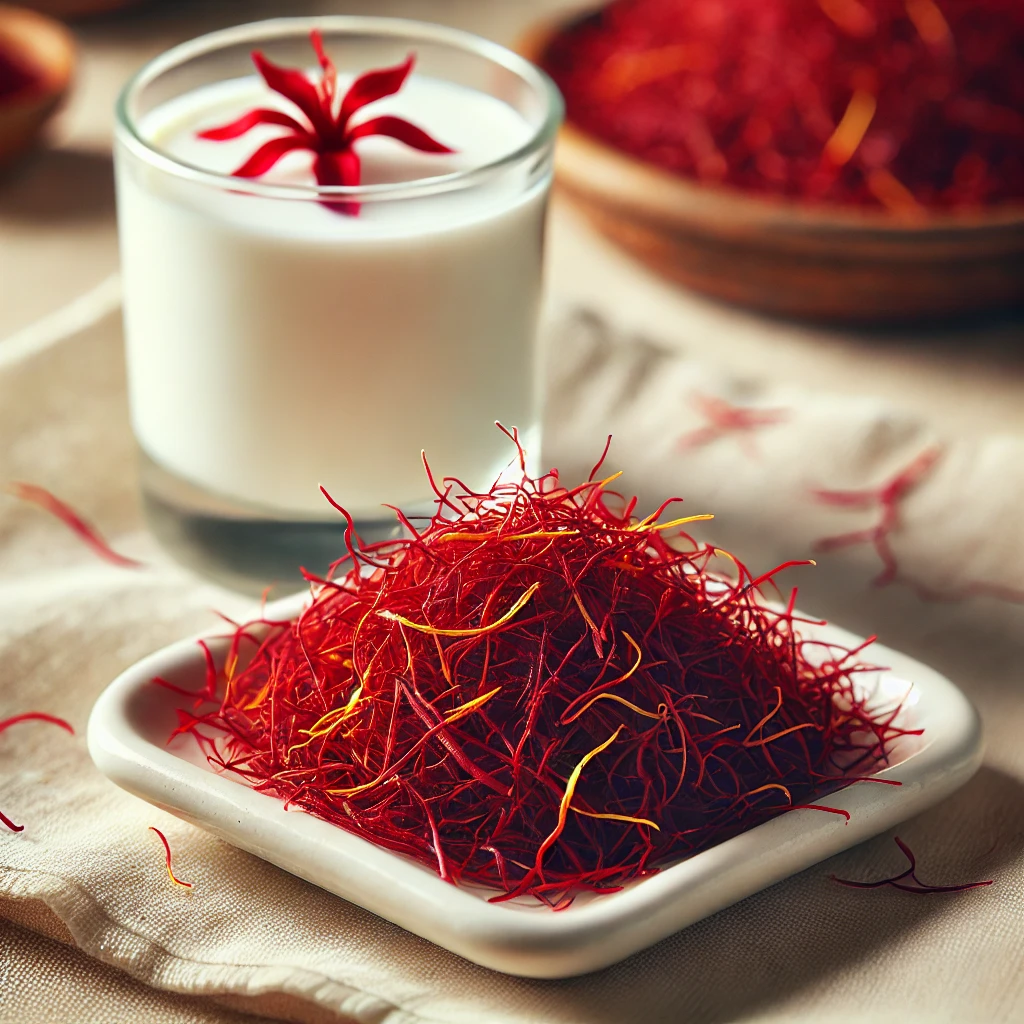
Soothing Acidity During Pregnancy – The Power of Saffron

Saffron & Acidity Relief During Pregnancy.

Pregnancy is a beautiful journey, but let’s be honest it comes with its fair share of challenges. When I was pregnant, I had terrible bouts of vomiting, and digesting normal ghar ka khana felt like a battle. No matter what I ate, acidity would kick in and make things worse.

Acidity Relief During Pregnancy

I remember spending days on just normal rice and solkadi – a goan digester made from coconut milk infused with kokum, salt and coriander leaves. It was one of the few things that felt light on my stomach and helped keep acidity at bay.

Seeing me struggle, my mom did what every mom does she called her mom squad! After asking several of her friends, she came back with a simple remedy: saffron in milk.

How it Became My Saviour

I was skeptical at first. How could a few tiny strands of saffron help with something as uncomfortable as acidity? But I was willing to try anything for relief. So, every day, I started having a warm cup of milk infused with a few strands of it. And honestly? It worked like magic!

It helped soothe my digestive system, reducing the burning sensation that acidity caused. It also made digestion a little more bearable, which meant I could finally enjoy my meals without the fear of post-meal discomfort.

So, every day, I would have a warm cup of milk infused with a few strands of saffron, and honestly, it worked like magic. It helped ease my acidity and made digestion a little more bearable. Who knew something as simple as a few golden strands could make such a difference? Now, whenever I use golden strands in my desserts, I can’t help but remember those days! 😊

How Much golden strands to Use?

Saffron is a potent spice, so a little goes a long way. I used about 2-3 strands in a glass of warm milk every day. It’s important not to overdo it, as excessive consumption can lead to complications during pregnancy. If you’re unsure about the right amount for you, consulting your doctor is always a good idea.

Which Brand Did I Use?

I personally used Everest saffron and Patanjali saffron during my pregnancy. Both brands offer good-quality, but you can choose the one you trust the most. Just make sure to go for pure to get the best benefits.

Another fantastic option is local Kashmiri saffron, which is known for its rich aroma and deep color. A good friend of mine brought me some during her visit to Kashmir, and I found it to be of excellent quality as well. If you have access to it, it’s definitely worth trying!

Other Benefits of Saffron During Pregnancy

Apart from helping with acidity, saffron has other amazing benefits for expecting moms:

  • Improves Mood: Pregnancy hormones can take a toll on your emotions. Saffron is known to have mood-enhancing properties that can help you feel more relaxed.
  • Aids in Digestion: It helps in reducing bloating and gas, making digestion smoother.
  • Promotes Better Sleep: Sipping saffron-infused milk at night can help you sleep better, which is much needed during pregnancy.
  • Enhances Skin Glow: Many believe that consuming saffron gives your skin a healthy glow (though genetics play a big role too!).

A Special Memory Tied to Saffron

Even now, whenever I use saffron in my desserts whether it’s in kheer, phirni, or badam milk. I can’t help but remember those pregnancy days. It’s amazing how something as simple as a few golden strands can hold so many memories and bring so much comfort! 😊

If you’re struggling with acidity during pregnancy, give this remedy a try and let me know if it works for you too! Have you tried saffron in any other way? I’d love to hear your experiences.

Disclaimer: Always consult your doctor before adding anything new to your pregnancy diet.

Is saffron safe during pregnancy?

Yes, saffron is generally safe during pregnancy when consumed in moderation. It has several benefits, including aiding digestion, reducing acidity, and improving mood. However, excessive consumption may lead to complications, so it’s best to stick to 2-3 strands a day and consult your doctor before adding it to your diet.

Can saffron help with acidity during pregnancy?

Yes, saffron is known for its soothing properties and can help settle the acidity and indigestion. It relaxes the digestive system and reduces the burning sensation caused by acid reflux.

When is the best time to consume saffron during pregnancy?

Most people prefer having saffron-infused milk at night as it promotes better digestion and sleep. However, you can consume it at any time of the day based on what suits you best. I consumed it an hour after breakfast.

Can I consume saffron in other forms apart from milk?

Absolutely! Saffron can be added to various dishes like kheer, phirni, soups, herbal teas, and even warm water with honey.

Are there any risks of consuming too much saffron during pregnancy?

Yes, consuming excessive saffron (more than the recommended 2-3 strands per day) can lead to complications such as uterine contractions, dizziness, or allergies. Always consume it in moderation and consult your doctor if unsure.
Disclaimer: Always consult your doctor before adding anything new to your pregnancy diet.

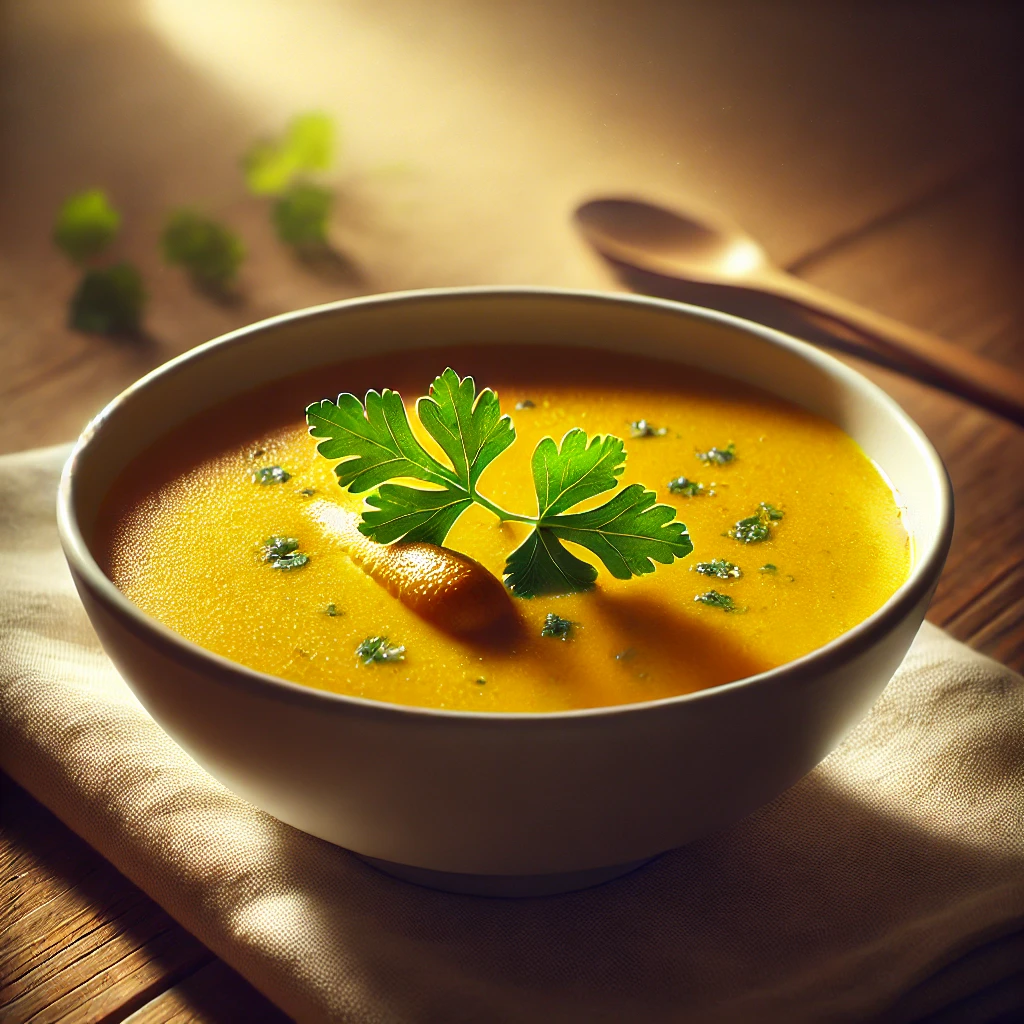
Benefits of Drumstick Soup – A Comforting & Nutritious Bowl of Goodness!

Benefits of Drumstick Soup – A Comforting & Nutritious Bowl of Goodness!

nefit

Drumstick Soup Benefits: The Ultimate Immunity Booster and Breastfeeding Superfood

Drumstick soup is a warm, nourishing delight that’s not just delicious but also loaded with health benefits. It’s packed with vitamins, minerals, and antioxidants, making it a go-to immunity booster for the whole family. Plus, for all my fellow moms out there. Please understand that there are alot of benefits of Drumstick soup and it is a blessing during breastfeeding!

Drumsticks (moringa) are rich in iron, calcium, and essential nutrients that help boost milk production and support postpartum recovery.

Why You’ll Love This Soup

✅ Immunity booster 🌿
✅ Great for digestion 🍵
✅ Perfect for breastfeeding moms 🤱
✅ Super easy to make! 🥄

Health Benefits of Drumstick Soup

Drumsticks (Moringa oleifera) are widely regarded as a superfood. They are rich in vitamin C, iron, and essential antioxidants that help in reducing inflammation, improving digestion, and strengthening immunity. Studies suggest that moringa aids lactation and boosts breast milk supply, making it an excellent postpartum food. Learn more about the benefits of moringa for lactation here.

Drumstick soup also supports gut health. The fiber in drumsticks helps with digestion, making it a great remedy for constipation. The anti-inflammatory properties of moringa may also help in joint pain relief and managing arthritis symptoms. Read more on the benefits of moringa for inflammation.

Ingredients:

  • 4-5 drumsticks, cut into pieces
  • 1 small onion, finely chopped
  • 1 tomato, chopped
  • 3-4 garlic cloves, minced
  • ½ inch ginger, grated
  • 1 tsp cumin seeds
  • ½ tsp black pepper powder
  • ½ tsp turmeric powder
  • 1 tbsp ghee or oil
  • 4 cups water
  • Salt to taste
  • Fresh coriander leaves for garnish

How to Make Drumstick Soup:

1️⃣ Heat ghee/oil in a pan. Add cumin seeds and let them splutter.
2️⃣ Sauté onions, garlic, and ginger until fragrant.
3️⃣ Add tomatoes, turmeric, black pepper, and salt. Cook until soft.
4️⃣ Toss in the drumsticks and mix well.
5️⃣ Pour in water and let it simmer for 15-20 minutes until the drumsticks are soft.
6️⃣ Strain the soup or blend it for a thicker consistency.
7️⃣ Garnish with fresh coriander and serve warm!

Kid-Friendly Modifications

Want to make drumstick soup more appealing for kids? Here’s how:

👶 Creamier Texture – Blend the soup to a smooth consistency so it’s easier for little ones to sip. You can also add a splash of coconut milk or a dollop of fresh cream for a richer taste.
🥕 Veggie Boost – Add a small boiled potato or carrot while blending for extra nutrition and a slightly sweet flavor that kids love.
🧀 Cheesy Delight – Stir in a bit of grated cheese while serving to make it more appealing to little taste buds.
🌿 Mild & Flavorful – Reduce black pepper slightly and add a pinch of roasted cumin powder for a milder yet aromatic flavor.

If you are starting for 6 month old babies, I would suggest start with something like Ragi Porridge and then introduce soups.

Why Drumstick Soup is Perfect for Breastfeeding Moms

Breastfeeding can be exhausting, and new moms need nutrient-dense foods to recover and maintain a steady milk supply. Here’s why drumstick soup is a must-have:

  • Rich in Iron and Calcium – Prevents postpartum fatigue and strengthens bones.
  • Lactation-Boosting Properties – Moringa is well-known to increase milk supply naturally.
  • Helps in Postpartum Recovery – The vitamins and minerals support overall healing and energy levels.
  • Easy to Digest – Warm soups are gentle on the stomach and aid digestion.

Drumstick Soup for Weight Loss

Did you know drumstick soup can help with weight management? Since it is low in calories and packed with fiber, it keeps you full for longer without adding extra weight. Plus, its anti-inflammatory properties help in reducing bloating and improving metabolism.

If you’re looking for healthy soups for weight loss, drumstick soup is a great addition to your diet. It is low in calories yet filling, making it perfect for those trying to shed a few pounds. Check out more weight-loss-friendly soups here.

Final Thoughts: A Nutritional Powerhouse for Everyone

This soup is not just a treat for the taste buds but also a nutritional powerhouse that supports overall well-being. Perfect for cozy evenings, postpartum recovery, weight management, or just when you need a comforting hug in a bowl! 💛🍵

Try it out and let me know how you liked it! Follow www.mumootalks.in for more such tips on mom recipes.

How I Used Refrigerated Saffron in My Dessert – A Little Toasty Trick!

Saffron and Almond Milk

Was saffron something you grew up with, or did you start using it slowly? Maybe your mom or grandma introduced it to you in a special way?

I remember the first time my mom gave me saffron milk when I was feeling sick after periods like a 11 year old puberty hit girl. She told me it was a ‘golden remedy’ passed down through generations. At the time, I didn’t realize how powerful those tiny strands were, but over the years, I have come to appreciate their magic.

It is pure magic in the kitchen it’s like a tiny golden thread that can transform any dish with its aroma, color, and flavor. But let’s be honest, when you’ve got a toddler running around and a million things to do, sometimes you forget about those precious strands tucked away in the fridge! That’s exactly what happened to me.

I had stored mine in the fridge, thinking it would stay fresh (rookie mistake!). When I took it out to use in my dessert, I realized the moisture had made it a little dull and less fragrant. No way was I going to let good strands go to waste!

So, I tried a little hack toasting it on a pan for a few seconds. And guess what? It worked like a charm! Here’s how I did it:

How to Revive Refrigerated Saffron

  • I removed the saffron from the fridge and let it rest at normal temperature for 5-10 mins.
  • I heated a dry pan on low heat (important: LOW heat, or it’ll burn!).
  • Dropped the strands in and let them warm up for 5-10 seconds they became crisp and released a beautiful aroma.
  • Crushed the toasted strands and soaked them in warm milk for about 15 minutes to let the color and flavor bloom.
  • Used this golden infusion in my dessert (Ras Malai this time!) and wow, it took the flavor to a whole new level!

The result? A rich, aromatic, and beautifully colored dessert with that deep essence shining through. Moral of the story: If your saffron has lost its punch, just give it a quick toast, and it’ll be back in action!

And guess what? Recently on Celebrity MasterChef India, Chef Ranveer Brar shared a similar trick! He mentioned that toasting it restores its magic, and using ice with it enhances its color. It’s amazing to see that these little kitchen hacks are not just home remedies but also chef-approved techniques!

How to Identify Pure Saffron (A Family Trick!)

Many people don’t know how to tell if their saffron is authentic. If you have a method you use, like a trick your mom or grandma taught you, you could add it:

  • The water test: Drop a few strands in warm water. Pure saffron will slowly release color without immediately dissolving. Fake saffron may turn the water bright yellow right away.
  • The smell test: Authentic saffron has a sweet yet slightly bitter, hay-like aroma. If it smells artificial, it’s likely fake.

A Family Recipe Using Saffron

A quick recipe infused milk and almonds recipe

  • 1 glass warm milk
  • 3-4 strands
  • 1 tbsp crushed almonds
  • A pinch of cardamom powder
  • 1 tsp honey or sugar (optional) I sometimes used jaggery powder

Mix everything and let it infuse for 10 minutes before drinking. Perfect for digestion and relaxation! And this recipe worked wonders to soothe down my acidity during pregnancy. If you’re struggling with acidity during pregnancy, give this remedy a try and let me know if it works for you too! 

Would love to know if you’ve tried this trick! Do you have any saffron hacks of your own? Spill them over tea! 😉💛✨